Yaupon holly (Ilex vomitoria) is among the least demanding native evergreen shrubs available to Southern gardeners. The tiny dark green leaves and dense growth of this fast-growing (2-3 feet per year) plant respond quickly to aggressive pruning, yet they look right at home unpruned in the naturalized garden. Mature stands of yaupon holly can sucker to form dense thickets, creating an informal hedge or privacy screen.
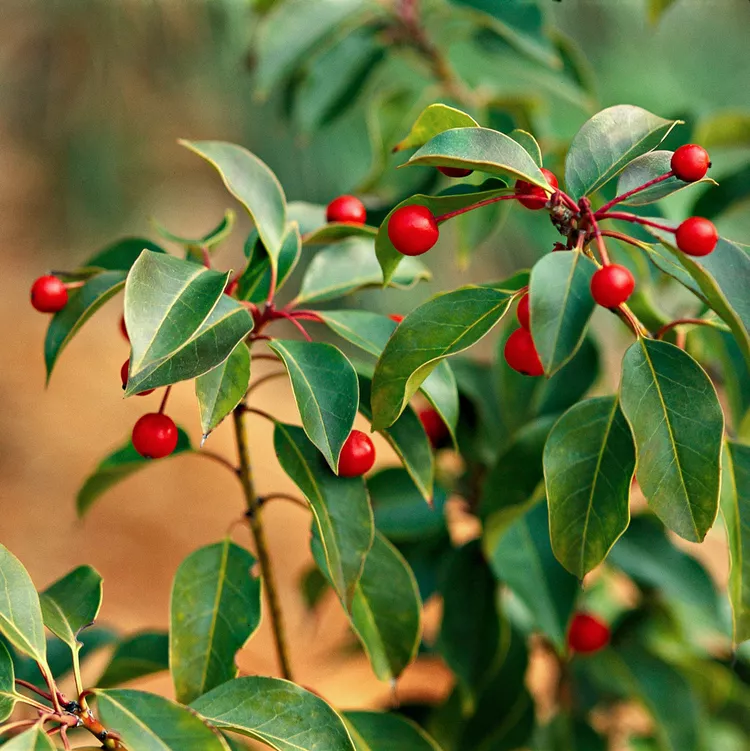
The wide variety of selections available in the marketplace ensures that there is a yaupon holly for every situation. Female plants sport dense clusters of red berries throughout winter, while male plants with no fruit recede into the background.
Yaupon Holly Overview
| Genus Name | Ilex vomitoria |
| Common Name | Yaupon Holly |
| Plant Type | Shrub |
| Light | Part Sun, Shade, Sun |
| Height | 6 to 15 feet |
| Width | 3 to 10 feet |
| Flower Color | White |
| Foliage Color | Blue/Green |
| Season Features | Winter Interest |
| Special Features | Attracts Birds, Low Maintenance |
| Zones | 10, 7, 8, 9 |
| Propagation | Division, Seed, Stem Cuttings |
| Problem Solvers | Drought Tolerant, Good For Privacy |
Where to Plant Yaupon Holly
Plant yaupon holly in full sun or part shade. When planted in dense shade, the growth might become thin and leggy. This shrub is tolerant of both wet and dry conditions. When possible, grow it in an area that receives regular moisture. Once established, yaupon holly is drought tolerant.
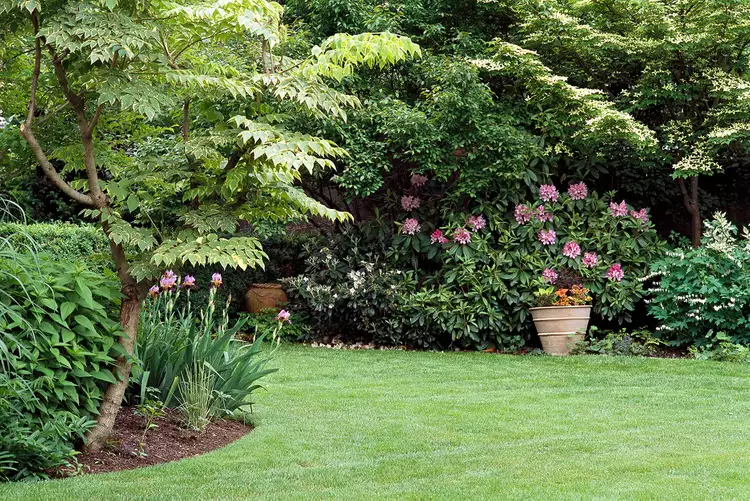
This shrub is native to the American Southeast and is a true chameleon in the landscape. It can be planted as an informal screen, pruned into a formal hedge or parterre, shaped into a tight ball, trained as an espalier, become a focal point or specimen, or serve as nothing more than naturalized wildlife fodder in the woodland.
When ingested, the red berries of yaupon holly are toxic to humans and pets, but they provide food for local wildlife.
How and When to Plant Yaupon Holly
Yaupon holly can be planted whenever the ground is workable, including midsummer. Ideally, plant it in early spring or autumn to avoid the intense heat of midyear. However, with adequate irrigation, it can handle summer planting.
Dig a hole at the same depth as the existing root ball and loosen the surrounding soil to encourage root growth. Plant with the root ball slightly above grade and rake the surrounding soil up to the root ball. Apply a 2-inch layer of mulch to retain moisture, but don’t allow it to touch the base of the plant; it can cause rot and create a habitable environment for unwanted insects. Water the new plant heavily and continue regular watering until it establishes new roots.
Yaupon Holly Care Tips
Yaupon holly requires little input from the gardener to thrive as long as its minimal needs are met.
Light
Yaupon holly grows in full sun to dense shade, although plants grown in heavy shade may appear leggy and thin. For the best results, grow yaupon holly in full sun or part shade.
Soil and Water
Yaupon holly grows in soils with a pH between 4.5 and 7.0, possibly up to 7.5.
It is found in bone-dry locations and perpetually wet swampy areas. It even tolerates moderate levels of salt spray and soil salinity. In arid conditions, it benefits from supplemental irrigation, but in most gardens, it survives with nothing more than natural rainfall.
Temperature and Humidity
This plant is hardy to most of the southern half of the United States and tolerates temperatures as low as 0°F, possibly lower for short periods. It handles dry and humid air and is highly adaptable to southern gardening conditions.
Fertilizer
Yaupon holly doesn’t usually require fertilizer. In very lean soils, add a layer of compost to the root zone once yearly to help build the organic matter. If you suspect a nutrient deficiency, contact your local extension agent and discuss performing a soil test before indiscriminately applying fertilizers to attempt to solve a problem. Unnecessary fertilizer is, at best, a waste of money and, at worst, damaging to the environment.
Pruning
Yaupon holly is fast-growing and highly forgiving of aggressive pruning techniques, including shearing and espalier. When left unpruned, many selections form an irregularly branched upright shrub or small tree. Limb up the lower branches of a large specimen to create an asymmetrical tree form that provides a unique silhouette of light gray bark against a brick or stone wall.
Potting and Repotting Yaupon Holly
Most selections of yaupon holly are large and do not make good potted specimens, although smaller varieties perform satisfactorily in containers. Place the plant in a container that provides good drainage and enough room for new root development. Water the container regularly and keep it out of the drying winter winds to avoid desiccation and death. Check the plant each season and repot it in a larger container as needed.
Pests and Problems
There are no significant pests or diseases that affect yaupon holly. Iron chlorosis (a lack of iron available to the plant, causing the space between the leaf veins to turn yellow) can occur in certain soil conditions. If you suspect iron chlorosis, contact your local extension agent for suggestions on how to remedy the situation in your region. Finding a solution may require a soil test to diagnose the issue.
How to Propagate Yaupon Holly
Yaupon holly can be a challenge to propagate successfully. The seeds are very slow to germinate, taking up to 18 months to emerge. The easiest way to grow this plant from seed is to collect the ripe fruit and nick the hard seed coat with a sharp knife to allow water to penetrate, aiding germination. Immediately put the nicked seed a half-inch deep in the ground and tag the location. The natural cold and wet weather combined with the warmth of summer helps trigger germination. You can also sow the seed in plastic containers of potting soil, then leave them outdoors or in an unheated greenhouse until germination occurs.
A third option is to transplant root suckers growing from another plant. The advantage to growing from cuttings or root suckers is that you can select female plants that produce the brilliant red berries that yaupon holly is known for. Identify a healthy sucker coming off the roots of your chosen plant and use a sharp spade to sever the roots, digging the plant and immediately transplanting it to a new location. Do this in late winter or early spring for the best chance of success.
Types of Yaupon Holly
‘Nana’
Ilex vomitoria ‘Nana’ is a commonly available dwarf selection of yaupon holly that reaches 3-5 feet tall and wide. It has smaller leaves than traditional yaupon hollies. The branches are brittle and prone to breaking if handled too roughly.
‘Schillings Dwarf’
Ilex vomitoria ‘Schillings Dwarf’ is a slightly smaller and slower-growing holly than ‘Nana.’ The new shoots have a purplish color that becomes green in time.
‘Pride of Houston’
Ilex vomitoria ’Pride of Houston’ is a heavily fruiting selection of yaupon holly known for a prolific fruit set. The red fruits of this all-female selection remain through the winter, providing a reliable food source for birds and small mammals.
‘Pendula’
Ilex vomitoria ‘Pendula’ is an appropriate name for this weeping form of yaupon holly. It includes both fruiting female and non-fruiting male plants. Weeping forms are rumored to occasionally come true to seed.
Yaupon Holly Companion Plants
Buttonbush
Native buttonbush (Cephalanthus occidentalis) is often found growing along streams. However, when it receives regular moisture, it grows in any full sun to part-shade location. The 3-6 inch-long green leaves and creamy white balls of flowers stand out against the tiny dark green leaves of yaupon holly in an informal mixed shrub planting. Zones 5-9
Dogwood Shrub
Dogwood shrubs (Cornus spp.) are available in various leaf colors, including two-tone green variegation, white and green variegation, and plain green. This shrub performs well in damp part-shade conditions and contrasts nicely with the irregular texture of yaupon holly. Zones
Butterfly Weed
The vibrant orange flowers of the native butterfly weed (Asclepias tuberosa) make a delightful pairing with yaupon holly in the native wildlife habitat garden. Butterfly weed supports monarch butterflies, while yaupon holly supports the birds.