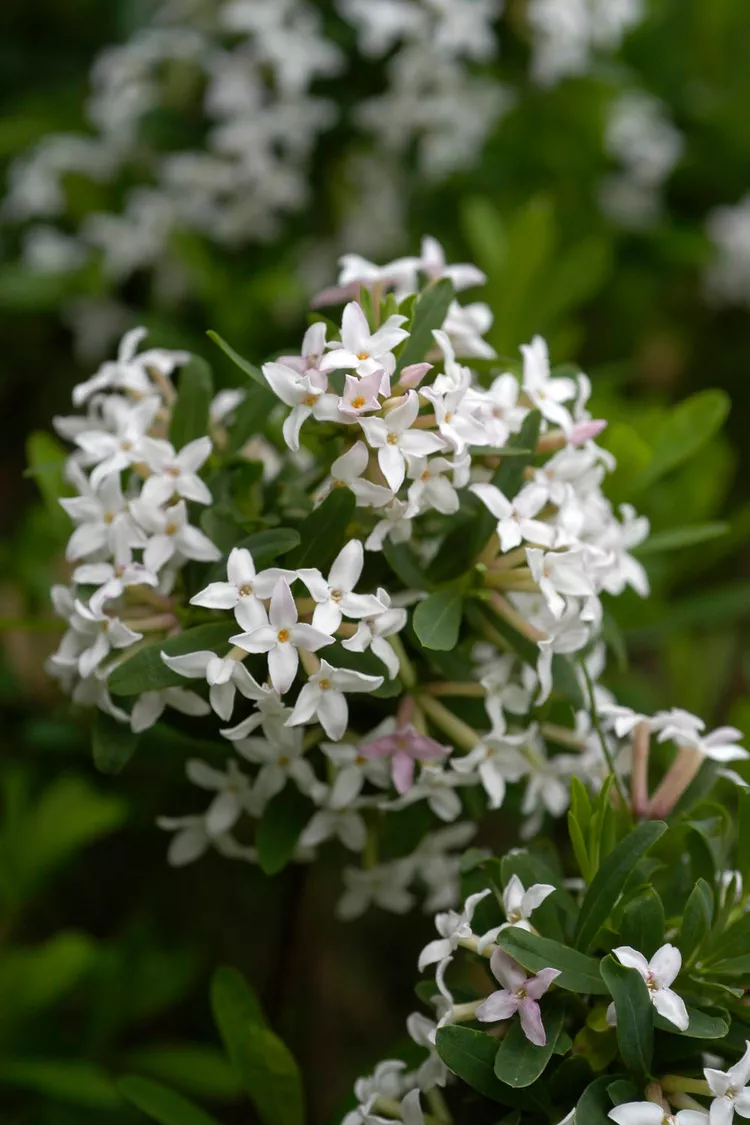
When most of the landscape takes a much-deserved rest, winter daphne (Daphne odora) is busy unfurling wildly fragrant flowers. Depending on the region where you garden, this round, evergreen shrub blooms in winter to early spring (about February through May). Its pink, magenta, or lavender flowers open in small clusters at the tips of the shrub’s branches. Many varieties of winter daphne have variegated or two-tone leaves that give the shrub year-round interest. Here's how to grow winter daphne in your garden.
Winter Daphne Overview
| Genus Name | Daphne odora |
| Common Name | Winter Daphne |
| Additional Common Names | Fragrant daphne, spurge flax, spurge laurel, dwarf bay |
| Plant Type | Shrub |
| Light | Part Sun, Sun |
| Height | 4 to 6 feet |
| Width | 2 to 4 feet |
| Flower Color | Pink, Purple, White |
| Foliage Color | Blue/Green |
| Season Features | Spring Bloom, Winter Bloom |
| Special Features | Fragrance, Low Maintenance |
| Zones | 10, 6, 7, 8, 9 |
| Propagation | Stem Cuttings |
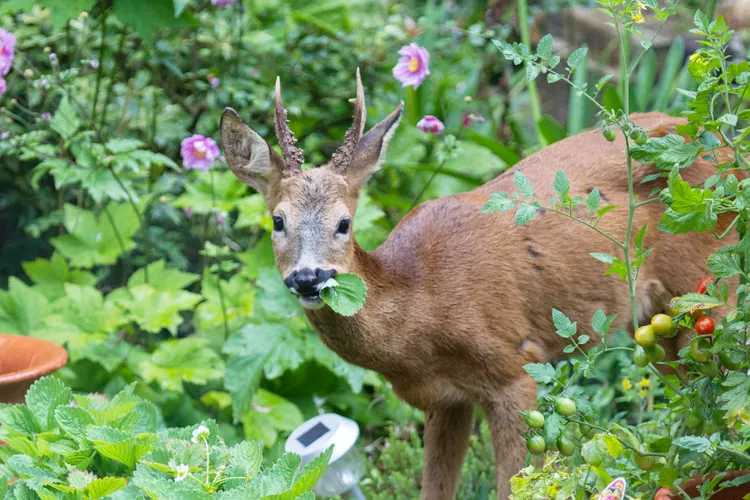
| Problem Solvers | Deer Resistant |
Where to Plant Winter Daphne
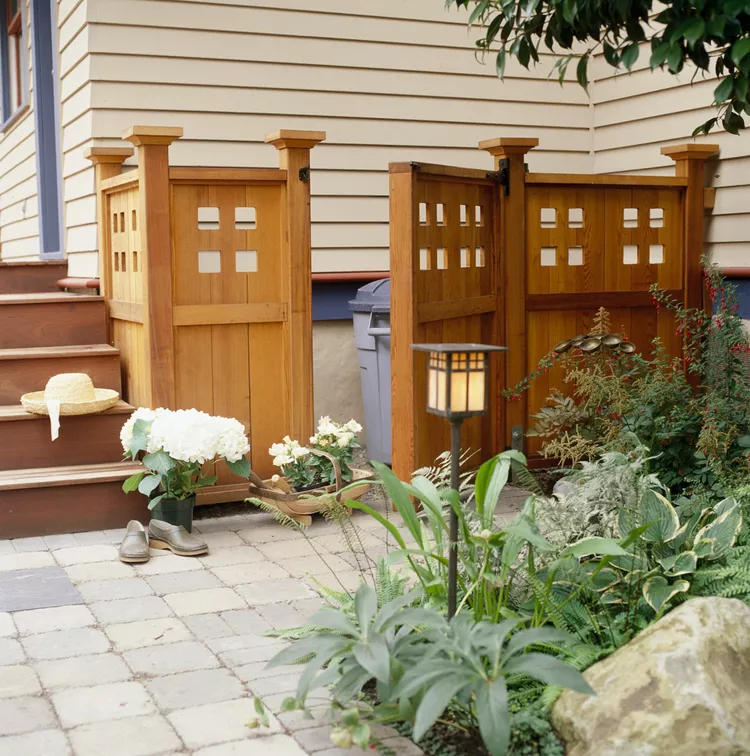
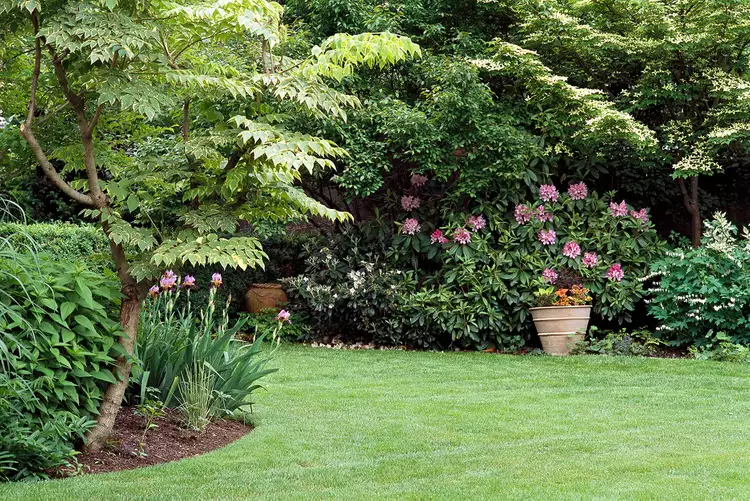
Plant fragrant winter daphne where you can enjoy its perfume. Use it in a mixed border for presence year-round and winter interest. Grow it along a walkway or patio so you can enjoy its delightful fragrance when it is in bloom. Plant it near an entryway or anywhere you frequent in the landscape. Small cultivars grow well in small space gardens or containers.
Choose a part shade location with well-draining soil. This small shrub is great for the north or east side of your house. The best planting site receives four to six hours of bright sunlight in the morning and shade in the afternoon. Winter daphne grows 3 to 4 feet tall and wide, so give it plenty of space to expand.
How and When to Plant Winter Daphne
Plant winter daphne in early spring or fall. Dig a planting hole slightly larger than the plant’s root ball. Situate winter daphne in the planting hole so that the top of the root ball is level with the surrounding grade. Backfill the planting hole with native soil, tamping it down to remove air pockets.
Spread a 2-inch-thick layer of mulch over the root zone and water the newly planted shrub well. Water the plant regularly for about eight weeks, providing supplemental water as needed so it receives about 1 inch of water a week. After that time, winter daphne will have established a robust root system; at this point, it needs supplemental watering only during extended dry periods.
Winter Daphne Care Tips
Light
Winter daphne grows best in part shade. It thrives when it receives 4 to 6 hours of bright sunlight in the morning and shade in the afternoon. These plants will grow in deeply shaded locations but take on a loose, leggy appearance in time, and flowering is limited.
Soil and Water
Well-drained, loose soil is ideal for winter daphne. It is especially sensitive to wet soil. Clay and boggy planting sites are not suitable for this evergreen. It is not uncommon for a plant to suddenly die when the soil is soggy for more than a couple of weeks. After the shrub is established, only water the plants during extended dry spells.
Temperature and Humidity
Winter daphne tolerates high temperatures and humidity. It is winter-hardy to about 10°F and needs protection in colder areas.
Fertilizer
Winter daphne does not require fertilizer. In early spring, you can provide additional nutrients by spreading a 2-inch-thick layer of well-decomposed compost over the root zone.
Pruning
Winter daphne has a naturally round shape and can be pruned after flowering if needed to remove dead or broken branches. As the plant ages, cut back two canes to the ground in early spring each year for three years to rejuvenate the shrub.
Potting and Repotting
Winter daphne grows in containers with excellent drainage. Use a soilless planting mix and allow the shrub to dry out slightly between waterings. It doesn't transplant well, so avoid repotting.
Pests and Problems
Winter daphne has few pests, although it is vulnerable to aphids, which can be controlled with applications of neem oil.
Poorly drained soil is the chief landscape problem this easy-to-grow shrub encounters. When planted in a heavy clay or a wet site, such as a depression, winter daphne drops its foliage and quickly dies from lack of oxygen to its roots. Choose the planting site carefully; the ideal soil is rich, loose loam.
How to Propagate Winter Daphne
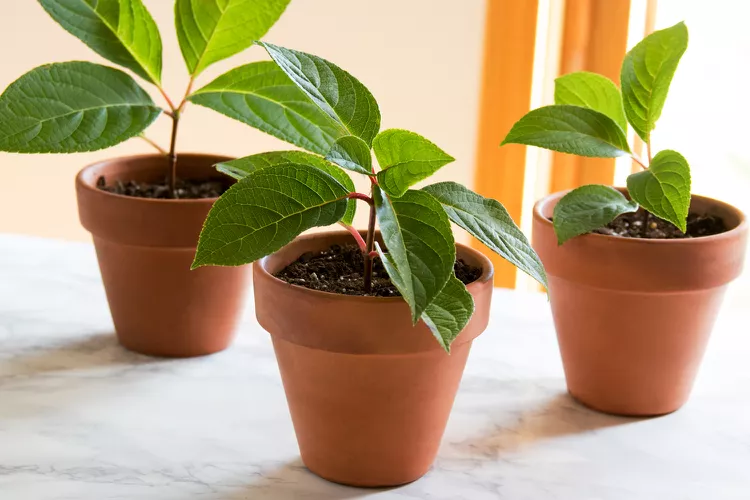
Stem cuttings are an easy way to make more winter daphne shrubs. In midspring, after the plants finish flowering, snip a 6- to 8-inch length of young, tender growth from the end of a branch. Strip any foliage from the bottom half of the cutting and dip it in rooting hormone. Plant the cutting in fast-draining, soilless medium and keep the medium moist but not wet until roots form. Transplant the rooted cutting into a larger container or directly into the landscape. Water regularly until a robust root system is established.
Types of Winter Daphne
Banana Split
Banana split daphne (Daphne odora ‘Monzulzay’) is a new winter daphne selection with dark green and yellow leaves. The plant’s wide yellow leaf margins are striking in the landscape. Its pink flower buds open to white flowers. Banana split daphne grows 4 feet tall and wide. Zones 7-9
Maejima
Maejima winter daphne (Daphne odora ‘Maejima’) is a showpiece in the shade garden. It is prized for its yellow-green variegated foliage and profuse dark pink flowers that are highly fragrant. It grows 3 feet tall and wide. Zones 7-10
Moonlight Parfait
Moonlight parfait winter daphne (Daphne odora ‘MonStrk’) has rose-pink flower buds that open to fragrant white flowers. The foliage is boldly variegated; each leaf has a wide, creamy edge. The showy leaves make it eye-catching all year round. It grows 3 to 4 feet tall and wide. Zones 6-9
Winter Daphne Companion Plants
The best companion plants for winter daphne shrubs relish the part shade conditions this evergreen favors.
Japanese Maple
The colorful foliage of Japanese maples makes a stunning focal point in the landscape. This type of maple grows smaller than other types (up to 8 feet tall) and has delicate foliage in a wide array of colors. Several varieties are available, including a dwarf Japanese maple. All of them feature the vibrant foliage the tree is known for.
Astilbe
Astilbe is an ornamental, fern-like plant that produces spikes of feathery flowers. Its healthy foliage adds wonderful texture and color to a garden. In spring, new foliage often emerges bright green with blushes of bronze. Some varieties hold that color year-round, and others offer deep chocolate/burgundy foliage. These plants grow as mounds and stay compact with no training. In summer, they’re topped with fantastic feathery spikes of tiny flowers in shades of pinks, reds, purples, and whites.
Camellia
The pink, red, and white flowers of camellia shrubs bloom in spring, fall or winter, depending on the variety. Most grow from 8 to 20 feet tall and thrive in dappled shade, although some varieties require more light. They are relatively easy to care for and enjoy cool temperatures, but frost damages them.
Heath
True heaths offer an amazing range of foliage and bloom color, well beyond the pinks of the heathers. They also come in tall shrub forms and even some small trees. With hundreds of species and cultivars, the heaths provide a wide variety of colors and bloom times.
Azalea
Lovely spring-blooming azaleas are stunning when covered with pink or white flowers, and some varieties feature a reblooming habit for season-long color. They handle shady locations well and brighten dark corners of the garden.