This diverse group of flowering shrubs comes in many sizes, colors, and forms. Plus, they're easy-to-grow plants that are hardy in most regions of the country, especially Zones 4-10. Spireas are very fast-growing. Some of the old-fashioned varieties of spirea have been landscape favorites for decades, but these older varieties can take up a lot of space and look best when not pruned. Newer types work well in suburban yards where colors and size are important.
Spirea japonica is probably the most common member of this group of shrubs. It has a much more manageable size of 2 to 10 feet wide at full growth and comes in an assortment of colored foliage, and even has a variety of bloom colors. The shape of this spirea is much more dense and short.
Spirea Overview
| Genus Name | Spiraea |
| Common Name | Spirea |
| Plant Type | Shrub |
| Light | Sun |
| Height | 2 to 6 feet |
| Width | 2 to 10 feet |
| Flower Color | Pink, White |
| Foliage Color | Blue/Green, Chartreuse/Gold |
| Season Features | Colorful Fall Foliage, Spring Bloom, Summer Bloom, Winter Interest |
| Zones | 5, 6, 7, 8, 9 |
| Propagation | Layering, Stem Cuttings |
| Problem Solvers | Good For Privacy, Slope/Erosion Control |
Where to Plant Spirea
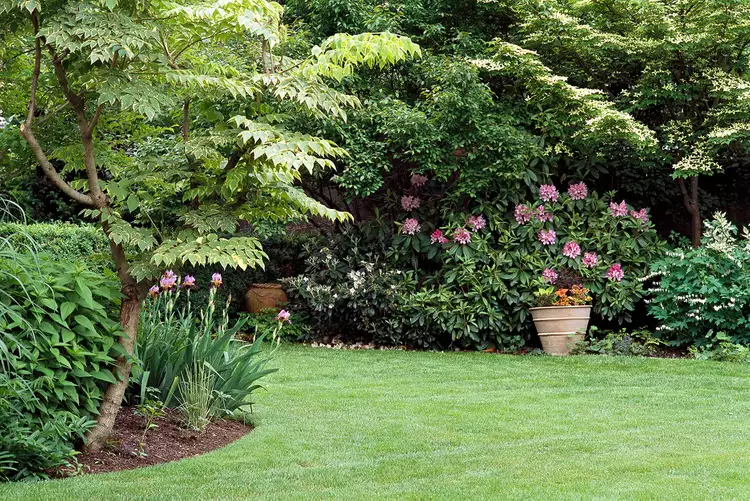
Plant spirea in well-drained soil in a location where it will get full sun most of the day. Spirea is a good plant to use for hedging, for privacy lines, as a background for showier flowers, or massed along a sloping part of your yard for erosion control.
How and When to Plant Spirea
Dig a hole where you want to plant a spirea shrub the same height as the root ball and two to three times wider than the roots. Remove the plant from its nursery pot and tease the soil from the roots. Place the plant in the hole and backfill with soil. Plant them 2 to 15 feet from each other, depending on how wide you expect them to be at full growth. For a dense, full spirea hedge, it's OK to plant them closer together but give them some room to breathe. Add mulch, but don't let it touch the stems. As with most shrubs, it's best to plant spirea in the fall.
Invasive Plant
Spirea is listed in the Invasive Plant Atlas for the United States, where it is described as being on the invasive species lists of several states in the Northeast and the South. Check with your state's agricultural department before planting.
Spirea Care Tips
All of the different spireas have fairly similar site requirements. They will ultimately be happiest in full sun with good drainage, but if pushed, they can manage in some shade. They don't need much extra watering once they have become established in your yard (usually after the first year after planting).
Light
Spirea shrubs should be grown in a spot with full sun six hours a day for the best flowering. They can, however, tolerate partial shade.
Soil and Water
Grow spirea in soil that's moist and well-drained. The soil can be sandy or clay-based, and spirea doesn't need a particular pH type. When planting, water the plants thoroughly and spread two to three inches of mulch around them. Keep the soil moist but not soggy. It's better to water deeply but less frequently.
Temperature and Humidity
Spirea will grow well in most Zones, and they're deciduous, so they lose their leaves during the cold winter months. They don't require any special care for cold or hot weather, though their soil should be checked if it gets very hot to see if it's dry and needs watering.
Fertilizer
When spring begins, apply a control-released fertilizer formulated for trees and shrubs. For the amount to use, follow product label directions. Reapply each spring.
Pruning
After it flowers, give spirea a good trim by cutting back the flowering tips to the top leaves. You may even be rewarded by a second flush of blooms.
Newer types of spirea form almost perfectly round mounds that can easily be pruned back to the ground each year to encourage a fresh new spurt of growth. This also helps to prevent them from getting a hollow center, where most of the old growth in the middle of the plant no longer puts out growth and just the tips leaf out.
Potting and Repotting Spirea
To pot spirea, use a resin container with good drainage and plenty of room for growth since spirea spreads out as it grows taller. A pot with 6 to 8 inches more width than the root ball is the right size. Choose a potting soil and add a product, like perlite, to help with drainage. Full sun is a must for potted spirea. Periodically, check to see if the soil is dry up to 2 inches on the top. If it is, the plant needs watering.
Pests and Problems
Leaf spot and powdery mildew can be problems for spirea. Treat aphids and other pests as soon as you see them on your shrubs with insecticidal soap, repeating as needed.
Because spirea is invasive in some areas of the U.S., gardeners should check with their state's local agricultural department before planting the shrub.
How to Propagate Spirea
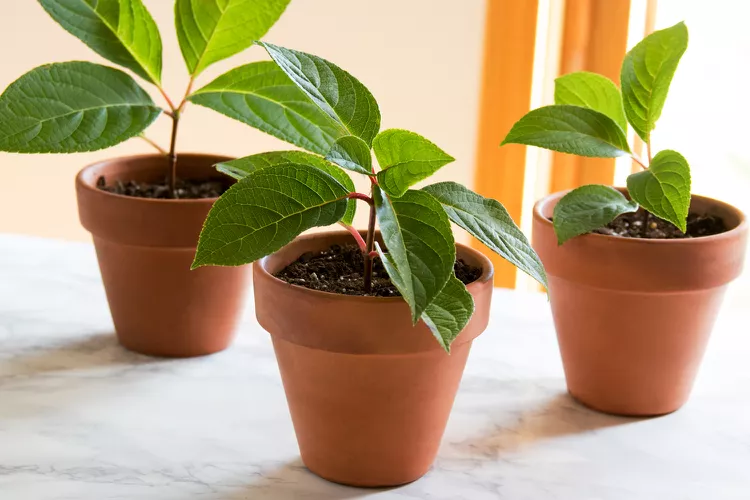
Propagate spirea in mid to late summer when it's in the softwood stage. You'll know it's ready for propagating when a young stem bends easily and breaks with a snap.
- Cut a 6-inch stem, strip its bottom leaves, and dip it in rooting hormone.
- Place the stem in a container with potting soil, then cover it with a plastic bag for a few weeks.
- Site it in a shady outdoor spot. In about a month, you should see roots forming.
- Plant the new rooted stems in containers. Transplant to your yard in spring.
Types of Spirea
'Anthony Waterer' Spirea
This variety of Spiraea japonica grows into a 3-foot-tall mound with deep rosy pink flowers in spring. Zones 4-9
'Little Princess' Spirea
This type of Spiraea japonica forms a dense mound 2 feet tall and 3 feet wide. Rose pink flowers in spring. Zones 4-9
'Goldflame' Spirea
Spiraea japonica 'Goldflame' is a small shrub to 2 to 3 feet high, with orange-gold tinted new growth that softens to light green in summer, then copper-orange in fall. It bears pink flowers in early summer. Zones 4-9
'Snowmound' Spirea
Spiraea nipponica 'Snowmound' bears white flowers that almost smother the branches in early summer. It forms a fast-growing, mounding shrub 3 feet tall and 5 feet wide. Zones 4-8
'Van Houtte' Spirea
Spirea x vanhouttei 'Van Houtte' forms a vase-shaped shrub to 6 feet tall and wide, bearing white flowers in mid-spring. Zones 4-8
'Froebel' Spirea
This Spiraea japonica selection bears bright pink spring flowers and grows 5 feet tall and wide. Zones 4-9
'Bridal Wreath' Spirea
Spiraea prunifolia 'Bridal Wreath' bears tiny double white flowers on bare branches early in spring, before the glossy green leaves appear. Some red fall color. Zones 5-9
Companion Plants for Spirea
Juniper Shrubs
Easy-care evergreen juniper shrubs will add color when other plants die down for the winter. They come in a variety of shapes, sizes, and colors, so choose the ones that best fit your landscape's design. Zones 3-9
Russian Sage
Russian sage is a hardy perennial that adds a bright burst of tall flowering plants to a garden. Zones 4-9
Panicle Hydrangeas
Panicle hydrangeas require similar growing conditions to spirea, and their big, puffy flowers work well with spirea's smaller ones. Zones 3-9