How to Plant and Grow Purple Hyacinth Bean Vine

48.2K
4.8K
1.1K
2025-10-28
How to Plant and Grow Purple Hyacinth Bean Vine

Purple hyacinth bean vines have long graced gardens around the world with their lush foliage, abundance of purple flowers, and shiny purple pods. Native to Africa, these vigorous flowering vines will climb just about any available support they can twine around. In addition to their beauty, hyacinth bean's easy-care nature, ability to add nitrogen to the soil, and edible leaves and shoots make these plants deserving of a place in your garden.

Purple Hyacinth Bean Vine Overview

Genus Name Lablab purpureus, Synonym: Dolichos lablab
Common Name Purple Hyacinth Bean Vine
Additional Common Names Hyacinth Bean, Lablab
Plant Type Vine
Light Sun
Height 15 to 20 feet
Width 6 to 10 feet
Flower Color Pink, Purple
Foliage Color Blue/Green
Zones 10, 11
Propagation Seed

Where to Plant Hyacinth Bean Vine

Purple hyacinth bean vines can get very big. Choose a location in your garden where these plants can grow without shading out other plants or needing to be pruned back all the time. Some varieties can attain heights of about 20 feet, so plenty of room to twine up a trellis, fencing, or other structures is a must. An ideal location will also provide plants with good air circulation and be away from heat sinks such as hot walls or fences in warmer climates.

How and When to Plant Hyacinth Bean Vine

Hyacinth beans vines prefer cooler weather, but unlike many other beans and peas, these plants will not tolerate temperatures dipping below freezing. Start seeds indoors 2-3 weeks prior to the expected last frost in spring, then transplant into the garden after the danger of frost has passed.

Hyacinth Bean Vine Care Tips

Light

Like most fruits and vegetables, hyacinth beans require full sun for best flower and pod production. While they can handle some shade, they’ll produce far less in shady conditions.

Soil and Water

Hyacinth beans get big, and with their size comes a need for rich soil and ample moisture throughout the growing season. Loamy, well drained soils with plenty of organic matter are ideal, although hyacinth beans can survive in many types of soil, provided there is consistent moisture.

Temperature and Humidity

Like many beans and peas, hyacinth beans prefer cool to warm temperatures and low to high humidity. However, excessive heat and low humidity can stymie growth. In locations with higher humidity, provide good air circulation around vines to limit diseases.

Fertilizer

As part of the bean family (Fabaceae), hyacinth beans do produce their own nitrogen with help from bacteria contained in little nodules on their roots. However, because of their fast growth and large size, your plants will benefit from feeding a “bloom booster” fertilizer that is low in nitrogen and high in phosphorus every 2-3 weeks.

Pruning

Aside from some light trimming of your thriving vines, very little pruning is necessary. Flowers should be left on the vine for their ornamental (albeit mostly inedible) purple pods. In regions with warm weather throughout the end of the growing season, healthy vines can be pruned back toward the end of the season and new growth will replace old, eventually bloom, and produce more pods.

Pests and Problems

Due to their large size, fast growth, and overall vigor, hyacinth beans are rarely bothered by major pest infestations or diseases. However, just like all other plants, there are a few issues to look out for when they occur.

The native long-tailed skipper butterfly will use purple hyacinth bean vine (and its relatives) as a host plant. The small, green caterpillars rarely damage the large vines of hyacinth beans, however, and can be left to complete their life cycles.

Especially in areas with high humidity and low air circulation, fungal diseases can pop up, though rarely across the entirety of the vine. To mitigate outbreaks, increase airflow around your vines by trimming back nearby plants if possible, or thinning your hyacinth bean vines. Organic fungicides such as copper and neem oil can help control cases of severe infection.

How to Propagate Purple Hyacinth Bean

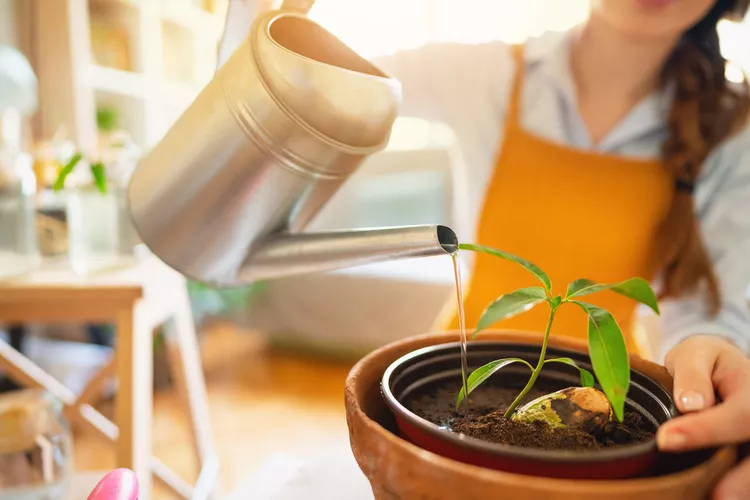
Hyacinth bean vines can easily be propagated by seed, which can be found in most places where fruit and vegetable seeds are sold. To start your seeds indoors, follow these simple steps:

  1. Soak your hyacinth bean vine seeds overnight in water.
  2. Prepare seed-starting containers or trays with a seed-starter mix
  3. Plant pre-soaked seeds about a half inch deep in the potting mix.
  4. Moisten soil and keep containers in a warm, bright location. Seedlings should begin to appear within a week of planting, but may take upwards of two weeks.
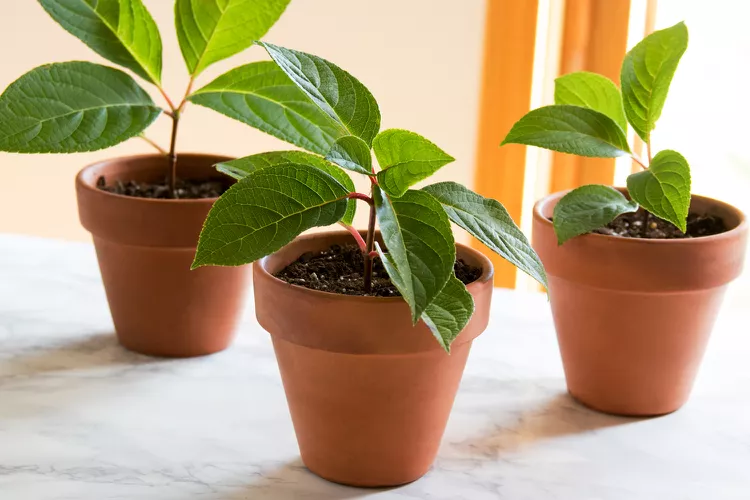
  5. Transplant into garden or outdoor containers after the third set of leaves have appeared and seedlings have been hardened off. 

Alternatively, seeds can be directly sown outdoors in Hardiness Zones 10 and above, or after temperatures have begun to rise into the 50s and the risk of frost has passed.

Types of Purple Hyacinth Bean

There are a few varieties of hyacinth bean vines to choose from.

White Hyacinth Bean

Encompassing white varieties such as ‘Silver Moon’ and 'Alba', white-flowered hyacinth beans grow just like the standard purple hyacinth bean vines but also bear green pods, and green stems, lacking all traces of purple.

'Ruby Moon' Hyacinth Bean

Very similar to the straight species, 'Ruby Moon’ blooms for a longer period during the growing season. 

Companion Plants

Due to their huge size, hyacinth bean vines are typically grown alone, but can be intermixed with other large, vigorous plants. For example, a few vining annuals such as moonflower vine (Ipomoea alba) and black-eyed Susan vine (Thunbergia alata) can hold their own with a hyacinth bean.
Frequently Asked Questions

  • Are hyacinth beans poisonous?

    Yes, the seeds of these plants are poisonous without proper preparation and should not be eaten. The young leaves and shoots, however, are edible and eaten throughout southeast Asia.

  • Why won’t my hyacinth bean vines bloom?

    Typically, if your purple hyacinth bean vines are big and full, but not blooming, there are two main causes. The first is excess nitrogen that's producing an abundance of growth but not stimulating flowering. Secondly–and more likely–is that your plants are in too much shade for them to gather enough energy to bloom. Relocate the plants if possible, or plant in a sunnier location the next season.

  • Are purple hyacinth bean vines invasive?

    No, these plants are not considered invasive, but due to their quick growth and huge size, they can easily smother other nearby plants.

Related Article

How to Propagate Pothos Successfully in Soil or Water
40.9K
408
61

How to Propagate Pothos Successfully in Soil or Water

Learn how to propagate pothos plants successfully with these simple step-by-step instructions.
24 Easy-Care Houseplants With Low Watering Needs
16.7K
334
93

24 Easy-Care Houseplants With Low Watering Needs

The low-maintenance, easy-care houseplants in this collection add lushness and color to any home without needing much more than occasional watering.
How to Plant and Grow Philodendron
38.6K
772
270

How to Plant and Grow Philodendron

Find growing information on philodendron, the perfect houseplant for new plant owners.
How to Get Rid of Spider Mites on Indoor Plants
46.1K
4.1K
1.9K

How to Get Rid of Spider Mites on Indoor Plants

Spider mites are a common houseplant pest. Learn the early signs of spiders mites on your plants and how to get rid of them.
16 Small Backyard Garden Ideas for Maximizing Your Landscape
36.4K
3.3K
820

16 Small Backyard Garden Ideas for Maximizing Your Landscape

Even the tiniest landscapes can be magical outdoor spaces with these small backyard garden ideas that maximize your yard.
Here's How to Dry and Preserve Flowers to Enjoy Their Beauty Year-Round
37.9K
3K
1.2K

Here's How to Dry and Preserve Flowers to Enjoy Their Beauty Year-Round

Learn how to dry flowers with air drying, silica gel, or even the microwave. These three methods to preserve flowers are great for wreaths, bouquets, and decorating projects.
How to Clean a Hummingbird Feeder in 5 Easy Steps
9.2K
184
51

How to Clean a Hummingbird Feeder in 5 Easy Steps

Keep your garden a safe and welcoming space for hummingbirds by following our five-step guide for how to clean hummingbird feeders.
How to Plant and Grow Angelonia
7K
140
26

How to Plant and Grow Angelonia

Angelonia (or summer snapdragon) is a spectacular addition for continuous color in any garden.
How to Plant and Grow Agapanthus
18.4K
1.8K
330

How to Plant and Grow Agapanthus

Agapanthus is a low-maintenance perennial and landscape staple that produces clusters of trumpet-shaped flowers.
How to Plant and Grow Shrub Roses
40.7K
3.7K
696

How to Plant and Grow Shrub Roses

Learn to grow shrub roses, which combine all of the best characteristics of roses into a beautiful, low-maintenance plant.
11 Best Deer-Resistant Shrubs for Avoiding Browsing Damage
38.2K
1.5K
504

11 Best Deer-Resistant Shrubs for Avoiding Browsing Damage

No plant is completely safe, but these deer resistant shrubs tend to be low on the menu for hoofed garden visitors.
What's Causing Your Gardenia's Yellow Leaves? We Have Answers
16.5K
1.5K
251

What's Causing Your Gardenia's Yellow Leaves? We Have Answers

What causes your gardenia's yellow leaves? Here's the reason and how to fix it. Gardenias are high-maintenance, but this is how to make them happy.
How to Plant and Grow Jasmine
42.3K
3.8K
418

How to Plant and Grow Jasmine

Jasmine is a perennial shrub or vine beloved for its fragrant flowers. Learn how to grow it in your garden or as a houseplant.
Do Deer Eat Tomato Plants? 5 Ways to Protect Your Harvest
42.1K
1.7K
775

Do Deer Eat Tomato Plants? 5 Ways to Protect Your Harvest

Deer do eat tomato plants from time to time. Here's how to recognize deer damage on tomatoes and how to prevent the creatures from ruining your crop.
11 Simple Tips for Growing Carrots in Containers Successfully
31.7K
317
44

11 Simple Tips for Growing Carrots in Containers Successfully

Growing carrots in containers saves space and protects carrot roots from pests. Here's how to plant and grow carrots in pots.
Which Types of Garlic Are Best to Grow in Your Garden?
32.5K
3.2K
1K

Which Types of Garlic Are Best to Grow in Your Garden?

Hardneck or softneck? Here’s what to know about different types of garlic and how to grow them.
How to Plant a Mango Seed and Successfully Grow It in 5 Steps
40.3K
805
152

How to Plant a Mango Seed and Successfully Grow It in 5 Steps

Learn how to plant a mango seed and grow it with only a few basic supplies and a little time. Use this guide to grow a mango seed successfully.
What Is a Fairy Ring? And Will It Harm Your Lawn?
23.4K
2.3K
1.1K

What Is a Fairy Ring? And Will It Harm Your Lawn?

Find out what causes those mysterious circles of mushrooms on your lawn and how to prevent fairy rings.
How to Grow Plants from Cuttings to Fill More Pots for Free
32.7K
981
245

How to Grow Plants from Cuttings to Fill More Pots for Free

Use this simple propagation technique to grow new plants with stem cuttings.
Easy Lawn Repair for Patchy Grass Using Seed or Sod
10.2K
812
292

Easy Lawn Repair for Patchy Grass Using Seed or Sod

With a bit of grass seed or sod, lawn repair is easy, and you’ll soon have a lush green carpet again.