How to Plant and Grow Pawpaw Trees

31.1K
1.2K
161
2025-11-14
How to Plant and Grow Pawpaw Trees

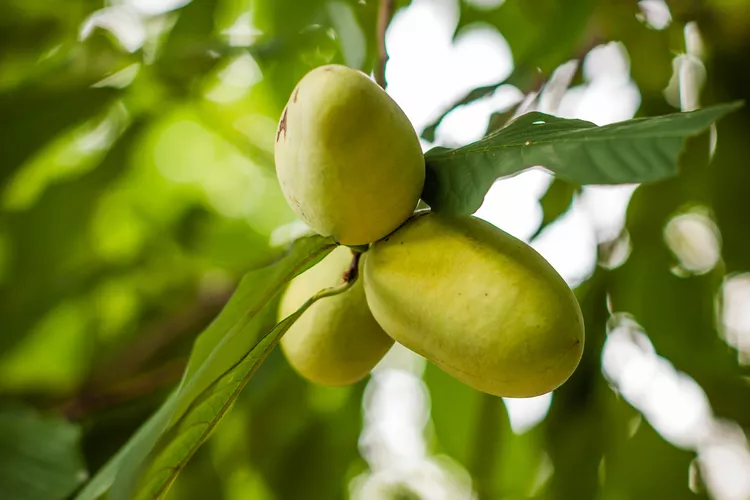
The pawpaw (Asimina triloba) is a small tree native to the eastern United States. It has a decidedly tropical look to it because of its large leaves, and it produces some of the most exotic-flavored fruit of any fruit tree in North America. In spring, dark purple flowers are followed by green sausage-shaped fruits in late summer to early fall that taste somewhat like a mixture of banana and mango fruit. Their consistency is similar to a ripe avocado with a very smooth texture, making them great for eating with a spoon.

Over the past few years, interest in pawpaws has grown considerably, but finding out how to grow a pawpaw tree and even where to buy the plants have been somewhat elusive for gardeners. In the wild, pawpaw trees often grow in lowland thickets and slowly spread underground by suckers, producing a group of genetically identical trees. Here's what you need to know to grow a pawpaw tree in your yard.

Pawpaw Tree Overview

Genus Name Asimina triloba
Common Name Pawpaw Tree
Plant Type Tree
Light Sun
Height 15 to 30 Feet
Width 15 to 30 Feet
Flower Color Purple
Foliage Color Blue/Green
Season Features Colorful Fall Foliage
Zones 5, 6, 7, 8, 9
Propagation Grafting, Seed, Stem Cuttings

Where to Plant Pawpaw Trees

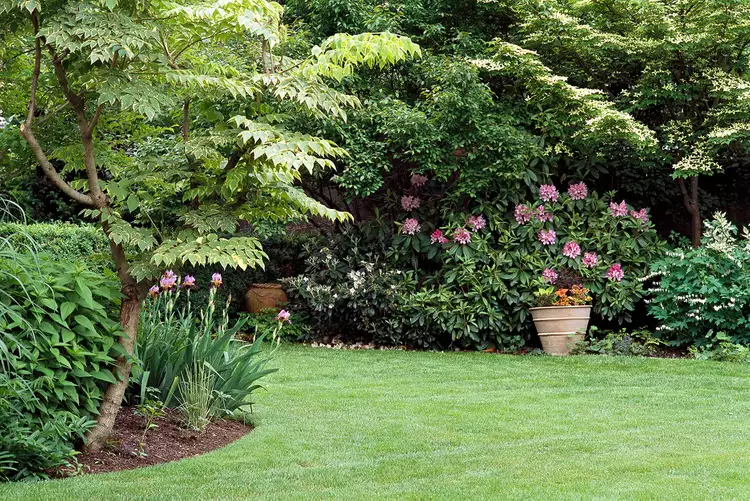
Pawpaw can be planted as specimen plants, in home orchards, or in rain gardens. Unlike many other trees, they tolerate being planted around black walnut trees, which produce a chemical that can inhibit growth.

How and When to Plant Pawpaws

The best time to plant a pawpaw tree is in spring. While fertilizers are not necessary, feeding newly planted trees with a general-purpose fertilizer once a month for the first growing season will help to quickly establish trees. Planting pawpaws is similar to planting most other types of trees:

  1. Begin by digging a hole twice the size of the root ball.
  2. Place the tree in a hole and backfill soil into the hole, ensuring that the tree remains upright and the existing soil level is maintained. If the tree is bare-root, note soil marking on the bark of the tree too, and be sure to fully cover the roots.
  3. Water the tree thoroughly to remove air pockets and add additional soil as necessary. 

Warning

Pawpaw fruit is edible, but only the soft inside. Avoid eating the skin or seeds of the fruit due to the presence of annonacin, which is toxic.

Pawpaw Care Tips

Light

Pawpaws are tolerant of light shade but produce stronger stems and more fruit when planted in full-sun locations. Some shade can be helpful to younger trees while they become established.

Soil and Water

Pawpaws are generally found in low-lying areas in loamy, acidic, and moist soil, making them ideal for regularly watered rain gardens and low spots in the yard.

Temperature and Humidity

As natives of the eastern half of the United States, these trees do just fine with hot summers, cold winters, and plenty of precipitation and humidity. 

Fertilizer

Feeding your trees is not necessary in their native soils, but a general-purpose fertilizer applied once a month while establishing plants and then one to two times a year thereafter can be beneficial. 

Pruning

Pruning pawpaws isn’t necessary, but trimming lower branches, crossed or broken branches, and removing suckers from around parent trees can help to keep the area tidy. Any pruning should be done in late winter to early spring, just before growth resumes. Trimming will lower fruit production the following year.

Pests and Problems

Pawpaws are hardy once established, but can succumb to powdery mildew. Treatments with organic pesticides such as neem oil or copper fungicides can help keep this disease under control. Providing ample airflow around the tree can help to reduce infections, too.

Pawpaw fruit is favored by wildlife such as raccoons, and netting or caging can be helpful to secure crops. Native zebra swallowtails feed on the leaves of pawpaws, but the caterpillars will not permanently harm healthy trees and should be left alone.

How to Propagate Pawpaws

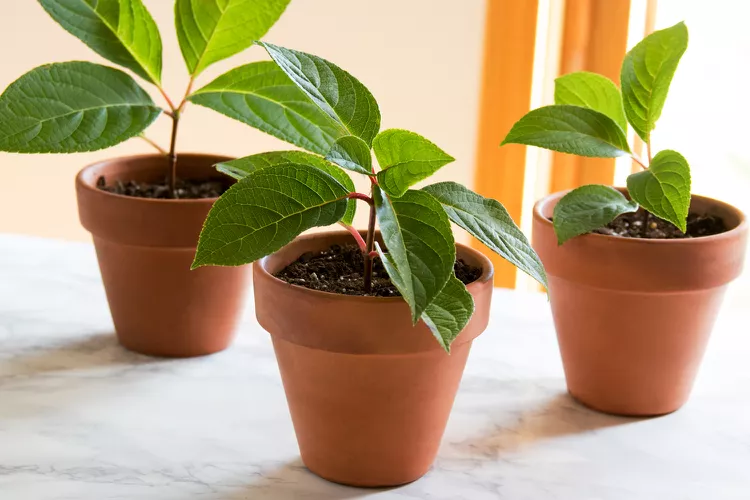
Pawpaws can be reliably propagated by grafting and sowing seeds. However, seedlings and young trees can be difficult to establish. Purchasing larger trees when available will help to ensure healthy and vigorous trees.

Companion Plants for Pawpaws

As natives, pawpaw do well with a variety of native trees, shrubs, and perennials. When planted in rain gardens, choose other water lovers such as sedges (Carex spp.), dogwoods (Cornus spp.), and swamp milkweed (Asclepias incarnata).
Frequently Asked Questions

  • How long does it take for pawpaw trees to produce fruit?

    From seed, pawpaws can take as many as 10 years to produce fruit while grafted trees can produce in as little as three years.

  • Can I grow just one pawpaw tree to get fruit?

    Pawpaw trees are self-infertile, meaning they can't pollinate themselves, so more than one tree should be planted near each other. Interestingly, pawpaws are not typically pollinated by bees, but rather by beetles.

  • Why aren’t pawpaw fruits found in grocery stores?

    Pawpaws are very tasty, but unfortunately fruiting is somewhat irregular, making orchard production unreliable. Furthermore, pawpaws can be difficult to process and ship.


Related Article

How to Propagate Pothos Successfully in Soil or Water
40.9K
408
61

How to Propagate Pothos Successfully in Soil or Water

Learn how to propagate pothos plants successfully with these simple step-by-step instructions.
24 Easy-Care Houseplants With Low Watering Needs
16.7K
334
93

24 Easy-Care Houseplants With Low Watering Needs

The low-maintenance, easy-care houseplants in this collection add lushness and color to any home without needing much more than occasional watering.
How to Plant and Grow Philodendron
38.6K
772
270

How to Plant and Grow Philodendron

Find growing information on philodendron, the perfect houseplant for new plant owners.
How to Get Rid of Spider Mites on Indoor Plants
46.1K
4.1K
1.9K

How to Get Rid of Spider Mites on Indoor Plants

Spider mites are a common houseplant pest. Learn the early signs of spiders mites on your plants and how to get rid of them.
16 Small Backyard Garden Ideas for Maximizing Your Landscape
36.4K
3.3K
820

16 Small Backyard Garden Ideas for Maximizing Your Landscape

Even the tiniest landscapes can be magical outdoor spaces with these small backyard garden ideas that maximize your yard.
Here's How to Dry and Preserve Flowers to Enjoy Their Beauty Year-Round
37.9K
3K
1.2K

Here's How to Dry and Preserve Flowers to Enjoy Their Beauty Year-Round

Learn how to dry flowers with air drying, silica gel, or even the microwave. These three methods to preserve flowers are great for wreaths, bouquets, and decorating projects.
How to Clean a Hummingbird Feeder in 5 Easy Steps
9.2K
184
51

How to Clean a Hummingbird Feeder in 5 Easy Steps

Keep your garden a safe and welcoming space for hummingbirds by following our five-step guide for how to clean hummingbird feeders.
How to Plant and Grow Angelonia
7K
140
26

How to Plant and Grow Angelonia

Angelonia (or summer snapdragon) is a spectacular addition for continuous color in any garden.
How to Plant and Grow Agapanthus
18.4K
1.8K
330

How to Plant and Grow Agapanthus

Agapanthus is a low-maintenance perennial and landscape staple that produces clusters of trumpet-shaped flowers.
How to Plant and Grow Shrub Roses
40.7K
3.7K
696

How to Plant and Grow Shrub Roses

Learn to grow shrub roses, which combine all of the best characteristics of roses into a beautiful, low-maintenance plant.
11 Best Deer-Resistant Shrubs for Avoiding Browsing Damage
38.2K
1.5K
504

11 Best Deer-Resistant Shrubs for Avoiding Browsing Damage

No plant is completely safe, but these deer resistant shrubs tend to be low on the menu for hoofed garden visitors.
What's Causing Your Gardenia's Yellow Leaves? We Have Answers
16.5K
1.5K
251

What's Causing Your Gardenia's Yellow Leaves? We Have Answers

What causes your gardenia's yellow leaves? Here's the reason and how to fix it. Gardenias are high-maintenance, but this is how to make them happy.
How to Plant and Grow Jasmine
42.3K
3.8K
418

How to Plant and Grow Jasmine

Jasmine is a perennial shrub or vine beloved for its fragrant flowers. Learn how to grow it in your garden or as a houseplant.
Do Deer Eat Tomato Plants? 5 Ways to Protect Your Harvest
42.1K
1.7K
775

Do Deer Eat Tomato Plants? 5 Ways to Protect Your Harvest

Deer do eat tomato plants from time to time. Here's how to recognize deer damage on tomatoes and how to prevent the creatures from ruining your crop.
11 Simple Tips for Growing Carrots in Containers Successfully
31.7K
317
44

11 Simple Tips for Growing Carrots in Containers Successfully

Growing carrots in containers saves space and protects carrot roots from pests. Here's how to plant and grow carrots in pots.
Which Types of Garlic Are Best to Grow in Your Garden?
32.5K
3.2K
1K

Which Types of Garlic Are Best to Grow in Your Garden?

Hardneck or softneck? Here’s what to know about different types of garlic and how to grow them.
How to Plant a Mango Seed and Successfully Grow It in 5 Steps
40.3K
805
152

How to Plant a Mango Seed and Successfully Grow It in 5 Steps

Learn how to plant a mango seed and grow it with only a few basic supplies and a little time. Use this guide to grow a mango seed successfully.
What Is a Fairy Ring? And Will It Harm Your Lawn?
23.4K
2.3K
1.1K

What Is a Fairy Ring? And Will It Harm Your Lawn?

Find out what causes those mysterious circles of mushrooms on your lawn and how to prevent fairy rings.
How to Grow Plants from Cuttings to Fill More Pots for Free
32.7K
981
245

How to Grow Plants from Cuttings to Fill More Pots for Free

Use this simple propagation technique to grow new plants with stem cuttings.
Easy Lawn Repair for Patchy Grass Using Seed or Sod
10.2K
812
292

Easy Lawn Repair for Patchy Grass Using Seed or Sod

With a bit of grass seed or sod, lawn repair is easy, and you’ll soon have a lush green carpet again.