How to Plant and Grow Dutchman’s Pipe

14.3K
427
42
2025-10-27
How to Plant and Grow Dutchman’s Pipe

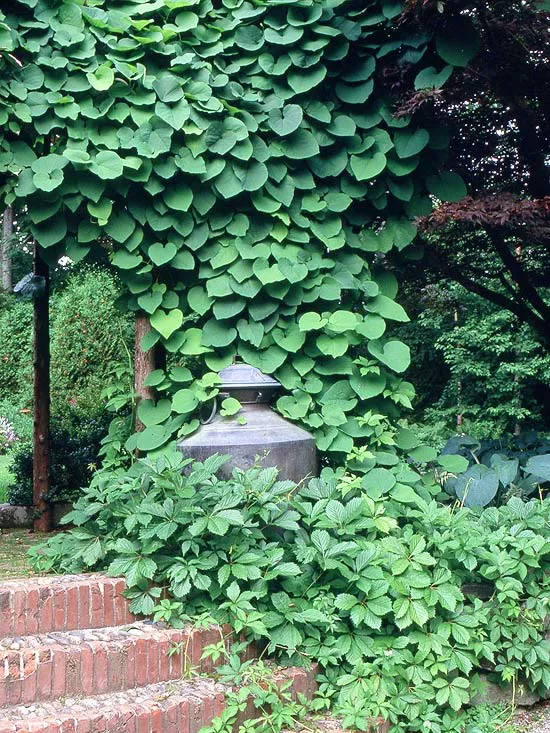
A vigorous vine with large, heart-shape leaves, Dutchman's pipe quickly turns arbors and pergolas into shaded retreats from which to escape the heat of summer. Plant Dutchman's pipe at the base of a trellis where it will twine up and create a dense canopy of foliage that provides lots of shade.

The vine is native to southeastern Canada and the eastern United States. The vine's dense, overlapping leaves offer an important food source for the caterpillars of pipevine swallowtail butterflies (black with iridescent blue scaling), and the fragrant flowers in early summer provide nectar for the adult butterflies.

Dutchman’s pipe is toxic to humans and pets.

Dutchman's Pipe Overview

Genus Name Aristolochia macrophylla
Common Name Dutchman's Pipe
Plant Type Perennial, Vine
Light Part Sun, Sun
Height 8 to 20 feet
Width 15 to 20 feet
Flower Color Green
Season Features Summer Bloom
Special Features Attracts Birds, Fragrance, Low Maintenance
Zones 4, 5, 6, 7, 8
Propagation Stem Cuttings

Where to Plant Dutchman’s Pipe

Plant Dutchman’s pipe in a location with full sun or partial shade that is sheltered from strong winds. Make sure to keep a safe distance to your home, as the vine is highly flammable. The soil in the planting location should be well-drained and consistently moist, with a pH in the slightly acidic to slightly alkaline range. A location in a moist wooded area or near a stream is ideal. 

Site this fast-growing vine at the base of a sturdy climbing structure like a well-anchored trellis, a pergola, or even a chain-link fence. Dutchman's pipe will ramble over, through, and around nearly any type of structure, making it an excellent plant for covering an unsightly view. The overlapping cloak of leaves forms a dense, beautiful screen.

How and When to Plant Dutchman’s Pipe

Nurseries often sell bare-root Dutchman’s pipe in time for spring gardening. Plant it after the last spring frost in your area. Dig a hole at least twice the size of the root spread and deep enough to fit the roots without bending. Place the crown (where the trunk meets the roots) in the hole so it sits slightly above soil level. Backfill the hole and gently tamp down the soil around the base. Water it immediately and keep it well-watered at all times.

Because Dutchman’s pipe is such a vigorous grower, a single specimen is usually enough to fill a space. If you have a large area, such as a long fence, space plants 12 to 20 feet apart.

Dutchman’s Pipe Care Tips

With the exception of annual pruning to keep its growth under control, this vine requires only minimal care.

Light

The vine does well both in full sun and partial shade.

Soil and Water

Although the vine is unfussy in its growing conditions, rich, moist, well-drained soil is a must. It will do poorly in dry soil so make sure to plant it in a location where the soil is naturally moist, or water as needed in the absence of rain. A soil pH in the range of 6.0 to 8.0 is best.

Temperature and Humidity

Dutchman’s pipe survives over a wide range of temperatures, from subzero winters to hot summers. It is not known to be intolerant of high humidity.

Fertilizer

If you planted the vine in the recommended organically rich soil, no fertilization is needed. Over-fertilizing the plant, even unintentionally from lawn fertilizer runoff, can lead to excessive growth.

Pruning

Because it grows up to 6 feet a year, Dutchman's pipe benefits from annual pruning to keep it under control. Prune plants in the late winter or early spring. Removing weak or damaged stems at their base. Cut back excessively long stems by half or more to maintain the desired size.

Potting and Repotting Dutchman’s Pipe

Due to its considerable size, the vine is not suitable to be grown in containers.

Pests and Problems

Dutchman’s pipe is not affected by serious diseases or pests. However, the high flammability of the plant can be problematic. Make sure to plant it at a safe distance from your home and other buildings. As tempting as it is to plant a Dutchman’s pipe near a porch for shade, it is not recommended due to the fire hazard.

How to Propagate Dutchman’s Pipe

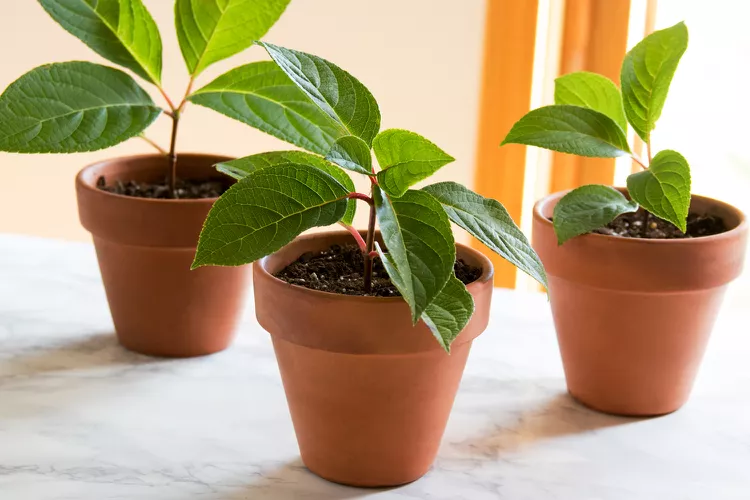
The easiest way to propagate Dutchman’s pipe is from softwood cuttings. In the spring or summer, take a 4-inch cutting from a healthy stem that shows some new growth. Remove all the bottom leaves so there are only a couple of leaves at the top. Dip the cut end in rooting hormone powder and insert it about halfway into a pot filled with damp potting soil. Place it in a warm location away from direct sunlight and keep it evenly moist. When new growth appears and the stem does not wiggle when you gently tug on it, it has rooted. Let the cutting grow into a strong little plant before transplanting it into the landscape.

Types of Dutchman’s Pipe

Wooly Dutchman’s Pipe

Aristolochia tomentosa is a variety of Dutchman's pipe with hairy stems and foliage. Its growing conditions are similar to those of Dutchman’s pipe but as a native plant to the central and southern United States, it is slightly less hardy. Zone 5-8

White-Veined Hardy Dutchman’s Pipe

Unlike other Dutchman’s pipe types, Aristolochia fimbriata is a perennial groundcover, not a vine. It grows 6 to 12 inches in height and spreads 2 to 3 feet. The heart-shaped green leaves have a silver veining. The plant is native to Bolivia, Brazil, and Argentina. Contrary to its name, it is not as hardy as other Dutchman’s pipe species. Zone 7-9

Virginia Dutchman's Pipe

Aristolochia serpentaria is another Dutchman’s pipe groundcover, though this one is native to the United States. It grows in full to partial shade where it spreads by rhizomes up to 2 feet wide. Zone 5-9
Frequently Asked Questions

  • Where does the name Dutchman’s pipe come from?

    The mahogany-cream-colored flowers of the plant resemble the meerschaum smoking pipes that were fashionable in Europe in the 18th and 19th century. The flowers are concealed, hidden below the dense foliage of the vine.

  • Is giant Dutchman’s pipe native to North America?

    No, this species of Dutchman's pipe is native to Brazil. Aristolochia gigantea only grows in a warm, humid climate (Zone 10-11). The large flowers have an unpleasant smell but that’s not the only drawback of this plant—it is toxic to the pipevine swallowtail butterfly. When the larvae of this native butterfly eat the leaves, they die within a few days.

Sources
Better Homes & Gardens is committed to using high-quality, reputable sources—including peer-reviewed studies—to support the facts in our articles. Read about our editorial policies and standards to learn more about how we fact check our content for accuracy.
  1. Aristolochia macrophylla. North Carolina State University Extension Toolbox.

Related Article

How to Propagate Pothos Successfully in Soil or Water
40.9K
408
61

How to Propagate Pothos Successfully in Soil or Water

Learn how to propagate pothos plants successfully with these simple step-by-step instructions.
24 Easy-Care Houseplants With Low Watering Needs
16.7K
334
93

24 Easy-Care Houseplants With Low Watering Needs

The low-maintenance, easy-care houseplants in this collection add lushness and color to any home without needing much more than occasional watering.
How to Plant and Grow Philodendron
38.6K
772
270

How to Plant and Grow Philodendron

Find growing information on philodendron, the perfect houseplant for new plant owners.
How to Get Rid of Spider Mites on Indoor Plants
46.1K
4.1K
1.9K

How to Get Rid of Spider Mites on Indoor Plants

Spider mites are a common houseplant pest. Learn the early signs of spiders mites on your plants and how to get rid of them.
16 Small Backyard Garden Ideas for Maximizing Your Landscape
36.4K
3.3K
820

16 Small Backyard Garden Ideas for Maximizing Your Landscape

Even the tiniest landscapes can be magical outdoor spaces with these small backyard garden ideas that maximize your yard.
Here's How to Dry and Preserve Flowers to Enjoy Their Beauty Year-Round
37.9K
3K
1.2K

Here's How to Dry and Preserve Flowers to Enjoy Their Beauty Year-Round

Learn how to dry flowers with air drying, silica gel, or even the microwave. These three methods to preserve flowers are great for wreaths, bouquets, and decorating projects.
How to Clean a Hummingbird Feeder in 5 Easy Steps
9.2K
184
51

How to Clean a Hummingbird Feeder in 5 Easy Steps

Keep your garden a safe and welcoming space for hummingbirds by following our five-step guide for how to clean hummingbird feeders.
How to Plant and Grow Angelonia
7K
140
26

How to Plant and Grow Angelonia

Angelonia (or summer snapdragon) is a spectacular addition for continuous color in any garden.
How to Plant and Grow Agapanthus
18.4K
1.8K
330

How to Plant and Grow Agapanthus

Agapanthus is a low-maintenance perennial and landscape staple that produces clusters of trumpet-shaped flowers.
How to Plant and Grow Shrub Roses
40.7K
3.7K
696

How to Plant and Grow Shrub Roses

Learn to grow shrub roses, which combine all of the best characteristics of roses into a beautiful, low-maintenance plant.
11 Best Deer-Resistant Shrubs for Avoiding Browsing Damage
38.2K
1.5K
504

11 Best Deer-Resistant Shrubs for Avoiding Browsing Damage

No plant is completely safe, but these deer resistant shrubs tend to be low on the menu for hoofed garden visitors.
What's Causing Your Gardenia's Yellow Leaves? We Have Answers
16.5K
1.5K
251

What's Causing Your Gardenia's Yellow Leaves? We Have Answers

What causes your gardenia's yellow leaves? Here's the reason and how to fix it. Gardenias are high-maintenance, but this is how to make them happy.
How to Plant and Grow Jasmine
42.3K
3.8K
418

How to Plant and Grow Jasmine

Jasmine is a perennial shrub or vine beloved for its fragrant flowers. Learn how to grow it in your garden or as a houseplant.
Do Deer Eat Tomato Plants? 5 Ways to Protect Your Harvest
42.1K
1.7K
775

Do Deer Eat Tomato Plants? 5 Ways to Protect Your Harvest

Deer do eat tomato plants from time to time. Here's how to recognize deer damage on tomatoes and how to prevent the creatures from ruining your crop.
11 Simple Tips for Growing Carrots in Containers Successfully
31.7K
317
44

11 Simple Tips for Growing Carrots in Containers Successfully

Growing carrots in containers saves space and protects carrot roots from pests. Here's how to plant and grow carrots in pots.
Which Types of Garlic Are Best to Grow in Your Garden?
32.5K
3.2K
1K

Which Types of Garlic Are Best to Grow in Your Garden?

Hardneck or softneck? Here’s what to know about different types of garlic and how to grow them.
How to Plant a Mango Seed and Successfully Grow It in 5 Steps
40.3K
805
152

How to Plant a Mango Seed and Successfully Grow It in 5 Steps

Learn how to plant a mango seed and grow it with only a few basic supplies and a little time. Use this guide to grow a mango seed successfully.
What Is a Fairy Ring? And Will It Harm Your Lawn?
23.4K
2.3K
1.1K

What Is a Fairy Ring? And Will It Harm Your Lawn?

Find out what causes those mysterious circles of mushrooms on your lawn and how to prevent fairy rings.
How to Grow Plants from Cuttings to Fill More Pots for Free
32.7K
981
245

How to Grow Plants from Cuttings to Fill More Pots for Free

Use this simple propagation technique to grow new plants with stem cuttings.
Easy Lawn Repair for Patchy Grass Using Seed or Sod
10.2K
812
292

Easy Lawn Repair for Patchy Grass Using Seed or Sod

With a bit of grass seed or sod, lawn repair is easy, and you’ll soon have a lush green carpet again.