How to Plant and Grow Buttonbush

45K
3.6K
720
2025-11-12
How to Plant and Grow Buttonbush

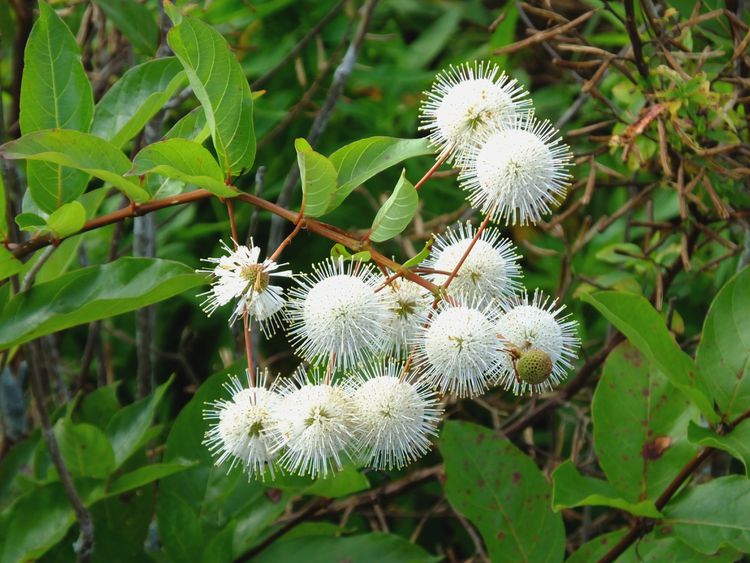
Buttonbush, also known as the “common buttonbush,” is a native species of shrub deserving of far more widespread use in landscapes around the United States. They can be planted in gardens of just about any size or style and take well to pruning for shape, but can also be allowed to grow naturally without becoming overbearing. Buttonbush is also ideal for pollinator gardens, providing an ample supply of flowers for native pollinators like hummingbirds and butterflies. Well adapted to a variety of environments, buttonbushes are also very hardy, easy to grow, and excellent for attracting wildlife to the garden, while being deer and rabbit resistant. 

Buttonbush Overview

Genus Name Cephalanthus occidentalis
Common Name Buttonbush
Plant Type Shrub
Light Part Sun, Sun
Height 6 to 12 Feet
Width 5 to 8 Feet
Flower Color White
Foliage Color Blue/Green
Season Features Colorful Fall Foliage, Summer Bloom
Zones 5, 6, 7, 8, 9
Propagation Stem Cuttings

Where to Plant Buttonbush

Buttonbush grows well in full sun to part shade. These shrubs do exceptionally well in wet and low-lying areas where many other shrubs won’t grow, like near ditches and in rain gardens

How and When to Plant Buttonbush

Buttonbushes can be planted in spring, summer, or fall in cooler regions and also during their winter dormancy in warmer regions.

Planting buttonbushes is similar to planting most other types of bushes. 

  1. Begin by digging a hole twice the size of the root ball.
  2. Place the tree in hole and backfill soil into the hole ensuring that the tree remains upright and the existing soil line is maintained. If the tree is bare root, note soil marking on bark of tree to and be sure to fully cover roots.
  3. Water the tree thoroughly to remove air pockets and add additional soil as necessary. 

Plant Care Tips

Light

Plant buttonbushes in full sun to part shade locations. A deeper shade will lead to fewer flowers and stretched out, weaker growth.

Soil and Water

Buttonbushes grow best in loamy, fertile, moist soils, but can easily adapt to most soil types. However, it's best to avoid dry, rocky soils for these plants. Ample moisture is necessary for healthy growth, and they can even tolerate shallow, standing water.

Temperature and Humidity

These bushes grow well in warm and humid summer environments. Plants might struggle in areas with hot, dry summers or excessively severe cold winters.

Fertilizer

Regular fertilizer applications are not necessary, but will help get newly planted plants established. A single application of granular fertilizer during planting and again monthly during the first year of growth will be sufficient. Avoid fertilizing plants toward the end of the season. 

Pruning

Buttonbushes don't require regular pruning, but can handle trimming to shape them and even severe pruning back to just a few inches above the soil level, should it be necessary. Established plants that have been in the ground for a number of years can benefit from the removal of dead, broken, or diseased wood. 

Pests and Problems

Very few diseases are known to affect these plants.

Propagating Buttonbush

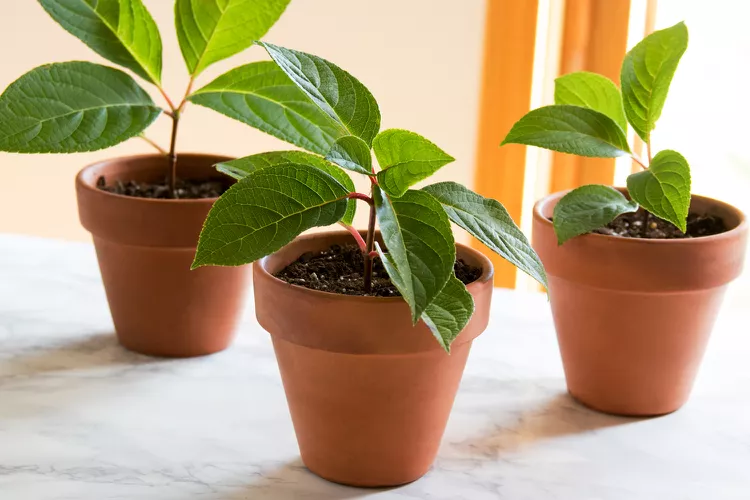
Propagation is typically done by cuttings in spring.

  1. Stem cuttings should be about 6 inches and made from new growth. Use a sharp sterilized pruning shear, razor, or knife. Remove all leaves aside from one or two terminal leaves just below the bud.
  2. Dip about two inches of new cuttings in a powdered rooting hormone and place in pre-made holes using your finger or pencil. Always use new, sterilized potting soil.
  3. Pat soil around the base of cuttings and gently moisten the soil.
  4. Keep cuttings in a warm location with bright, indirect light. Roots should appear in two or three weeks, and cuttings can be transplanted the following season after they have become established.

Companion Plants for Buttonbush

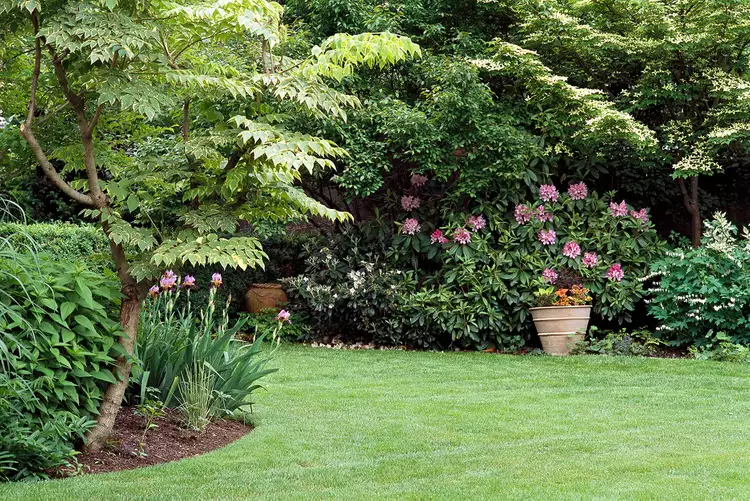
Buttonbushes are an excellent landscaping plant and work very well in both mixed borders and in rain gardens. Native herbaceous perennials such as blazing stars (Liatris spp.), coneflowers (Echinacea spp.), and milkweeds (Asclepias spp.) pair well with buttonbushes. 
Frequently Asked Questions

  • Where in the US are buttonbushes native?

    Buttonbushes are native to most of the eastern half of the United States with smaller populations in New Mexico, Arizona, and California.

  • Are there cultivars available?

    Yes! There is a dwarf cultivar of the common buttonbush called 'Sugar Shack' that only reaches about 4 feet tall and wide.

  • Is buttonbush edible?

    No, buttonbush is not edible and should not be consumed.

Related Article

How to Propagate Pothos Successfully in Soil or Water
40.9K
408
61

How to Propagate Pothos Successfully in Soil or Water

Learn how to propagate pothos plants successfully with these simple step-by-step instructions.
24 Easy-Care Houseplants With Low Watering Needs
16.7K
334
93

24 Easy-Care Houseplants With Low Watering Needs

The low-maintenance, easy-care houseplants in this collection add lushness and color to any home without needing much more than occasional watering.
How to Plant and Grow Philodendron
38.6K
772
270

How to Plant and Grow Philodendron

Find growing information on philodendron, the perfect houseplant for new plant owners.
How to Get Rid of Spider Mites on Indoor Plants
46.1K
4.1K
1.9K

How to Get Rid of Spider Mites on Indoor Plants

Spider mites are a common houseplant pest. Learn the early signs of spiders mites on your plants and how to get rid of them.
16 Small Backyard Garden Ideas for Maximizing Your Landscape
36.4K
3.3K
820

16 Small Backyard Garden Ideas for Maximizing Your Landscape

Even the tiniest landscapes can be magical outdoor spaces with these small backyard garden ideas that maximize your yard.
Here's How to Dry and Preserve Flowers to Enjoy Their Beauty Year-Round
37.9K
3K
1.2K

Here's How to Dry and Preserve Flowers to Enjoy Their Beauty Year-Round

Learn how to dry flowers with air drying, silica gel, or even the microwave. These three methods to preserve flowers are great for wreaths, bouquets, and decorating projects.
How to Clean a Hummingbird Feeder in 5 Easy Steps
9.2K
184
51

How to Clean a Hummingbird Feeder in 5 Easy Steps

Keep your garden a safe and welcoming space for hummingbirds by following our five-step guide for how to clean hummingbird feeders.
How to Plant and Grow Angelonia
7K
140
26

How to Plant and Grow Angelonia

Angelonia (or summer snapdragon) is a spectacular addition for continuous color in any garden.
How to Plant and Grow Agapanthus
18.4K
1.8K
330

How to Plant and Grow Agapanthus

Agapanthus is a low-maintenance perennial and landscape staple that produces clusters of trumpet-shaped flowers.
How to Plant and Grow Shrub Roses
40.7K
3.7K
696

How to Plant and Grow Shrub Roses

Learn to grow shrub roses, which combine all of the best characteristics of roses into a beautiful, low-maintenance plant.
11 Best Deer-Resistant Shrubs for Avoiding Browsing Damage
38.2K
1.5K
504

11 Best Deer-Resistant Shrubs for Avoiding Browsing Damage

No plant is completely safe, but these deer resistant shrubs tend to be low on the menu for hoofed garden visitors.
What's Causing Your Gardenia's Yellow Leaves? We Have Answers
16.5K
1.5K
251

What's Causing Your Gardenia's Yellow Leaves? We Have Answers

What causes your gardenia's yellow leaves? Here's the reason and how to fix it. Gardenias are high-maintenance, but this is how to make them happy.
How to Plant and Grow Jasmine
42.3K
3.8K
418

How to Plant and Grow Jasmine

Jasmine is a perennial shrub or vine beloved for its fragrant flowers. Learn how to grow it in your garden or as a houseplant.
Do Deer Eat Tomato Plants? 5 Ways to Protect Your Harvest
42.1K
1.7K
775

Do Deer Eat Tomato Plants? 5 Ways to Protect Your Harvest

Deer do eat tomato plants from time to time. Here's how to recognize deer damage on tomatoes and how to prevent the creatures from ruining your crop.
11 Simple Tips for Growing Carrots in Containers Successfully
31.7K
317
44

11 Simple Tips for Growing Carrots in Containers Successfully

Growing carrots in containers saves space and protects carrot roots from pests. Here's how to plant and grow carrots in pots.
Which Types of Garlic Are Best to Grow in Your Garden?
32.5K
3.2K
1K

Which Types of Garlic Are Best to Grow in Your Garden?

Hardneck or softneck? Here’s what to know about different types of garlic and how to grow them.
How to Plant a Mango Seed and Successfully Grow It in 5 Steps
40.3K
805
152

How to Plant a Mango Seed and Successfully Grow It in 5 Steps

Learn how to plant a mango seed and grow it with only a few basic supplies and a little time. Use this guide to grow a mango seed successfully.
What Is a Fairy Ring? And Will It Harm Your Lawn?
23.4K
2.3K
1.1K

What Is a Fairy Ring? And Will It Harm Your Lawn?

Find out what causes those mysterious circles of mushrooms on your lawn and how to prevent fairy rings.
How to Grow Plants from Cuttings to Fill More Pots for Free
32.7K
981
245

How to Grow Plants from Cuttings to Fill More Pots for Free

Use this simple propagation technique to grow new plants with stem cuttings.
Easy Lawn Repair for Patchy Grass Using Seed or Sod
10.2K
812
292

Easy Lawn Repair for Patchy Grass Using Seed or Sod

With a bit of grass seed or sod, lawn repair is easy, and you’ll soon have a lush green carpet again.