The best shrubs for shade will grow in those spots in your yard that don’t get much sunlight. And it's even better when the shrub features beautiful and fragrant flowers or colorful foliage, or sometimes both at once. This list of shade-loving shrubs contains lots of flowering, native, evergreen, or low-maintenance options sure to brighten up those hard-to-fill areas with limited sun.
Abelia
Abelia is an easy-to-grow flowering shrub ideal for foundation beds and mixed shrub borders. Fragrant, bell-shaped flowers appear in late spring and continue opening through fall. The small, glossy green leaves turn purple-bronze or shades of orange in autumn.
Growing Conditions: Full sun or part shade in well-drained clay, sandy soil, or loam
Size: 2–8 feet tall, 3–6 feet wide
Zones: 6–9
Aucuba
Aucuba, also known as gold dust plant, thrives in low-maintenance shade borders. This slow-growing, evergreen shrub has yellow-speckled foliage year-round, providing color and texture when other plants go dormant for winter. Gold dust plant is grown for its foliage. It has berries and flowers, but they are small and insignificant.
Growing Conditions: Full shade in moist, well-drained soil
Size: 3–10 feet tall and wide
Zones: 6–10
Azalea
Celebrate the return of spring with a colorful collection of azaleas (which belong to the Rhododendron genus). These shrubs for shade thrive in locations with rich, acidic soil. Azaleas come in a variety of colors, and some newer varieties will even put on an extra flower show in the fall. Once established, azaleas will perform for decades, particularly in the southeastern part of the United States.
Growing Conditions: Part to full shade in slightly moist, well-drained, acidic soil
Size: 3–6 feet tall and wide
Zones: 3–9
Bigleaf Hydrangea
With their broad, bright green foliage and their white, pink, or blue softball-size flowers, bigleaf hydrangeas (Hydrangea macrophylla) make pretty and versatile shrubs for shade. Use these plants to create a low hedge, perk up a mixed perennial border, or in large tubs to flank an entry. Although bigleaf hydrangeas will grow in brighter spots, they need protection from the hot afternoon sun that can burn their leaves.
Growing Conditions: Part to full shade in rich, moist, well-drained soil
Size: 3-8 feet tall and wide
Zones: 6-11
Bottlebrush Buckeye
Native to the southern U.S., bottlebrush buckeye (Aesculus parviflora) attracts swallowtail butterflies with its wands of white flowers that bloom in summer. It grows up to 12 feet tall, serving as a screen to separate the garden from unwanted views during the growing season.
Growing Conditions: Part to full shade in moist, well-drained soil
Size: 8–12 feet tall, 10–15 feet wide
Zones: 4–8
Camellia
The undisputed queens of the winter garden, camellias bloom anytime between fall and late spring, depending on the variety. These fantastic plants come in shades of red, pink, and white; some varieties are also fragrant. Camellias have a dense branching habit with shiny, bright green leaves, so the plants look lovely in the landscape even when not in bloom. Camellias are slow growers that prefer slightly sandy, acidic soil.
Growing Conditions: Partial to full shade in well-drained, acidic soil
Size: 2–20 feet tall, 5–7 feet wide
Zones: 7–10
Kerria
One of the best flowering shrubs for shade, kerria (Kerria japonica) produces masses of bright yellow flowers in April and May. These easy-care plants also tolerate dry and wet soils, heavy shade, and hungry deer. Kerria can spread by underground suckers, so check state regulations to determine if it’s considered invasive in your region before planting.
Growing Conditions: Part to full shade in moist soil (can tolerate poorly drained soil)
Size: 3-6 feet tall, 6-8 feet wide
Zones: 4-9
Leucothoe
Leucothoe is easy to grow, has few pests, and looks good in every season. Reddish bronze foliage turns dark green, and some selections display burgundy fall and winter foliage. White or cream flower clusters open in late spring and last through early summer, drooping gracefully from the branches.
Growing Conditions: Light to deep shade in acidic-to-neutral, well-drained soil
Size: 1–6 feet tall, 3–6 feet wide
Zones: 5–9
Lily-of-the-Valley Shrub
This eye-catching broadleaf evergreen shrub gets its name because its white or pink spring flowers resemble those of lily-of-the-valley. It’s a slow-growing shrub, but if you can be patient, it’ll eventually become the centerpiece of your garden. Because lily-of-the-valley shrub (Pieris japonica) is a shrub for shade and prefers slightly moist, acidic soil, it makes a great companion for azaleas and camellias.
Growing Conditions: Part shade in well-drained soil
Size: 5 feet tall, 8 feet wide
Zones: 5–8
Loropetalum
Easy-to-care-for loropetalum, also known as Chinese fringe flower, is a showy, evergreen shrub covered in fragrant flowers in spring. Its foliage, which changes from shades of red to deep green, provides season-long interest.
Growing Conditions: Full sun or part shade in moist, well-drained soil
Size: 2–10 feet tall, 3–10 feet wide
Zones: 7–10
Mountain Laurel
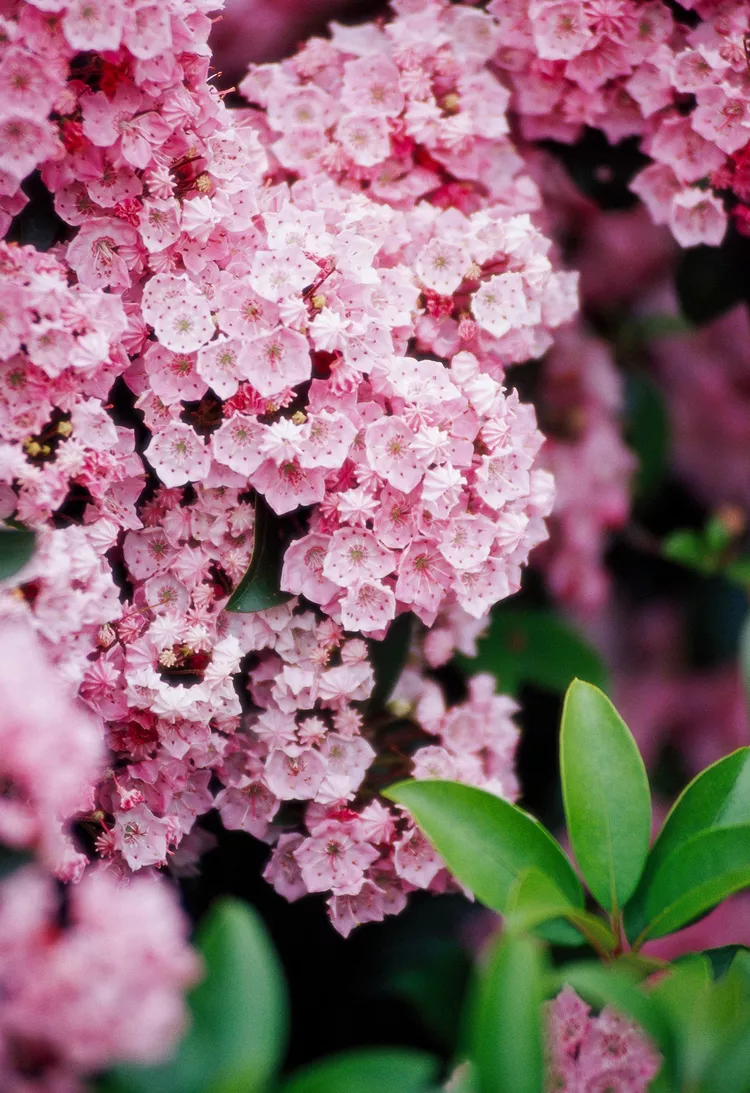
If you take a springtime drive through the Appalachian Mountains, you may see wild mountain laurels (Kalmia latifolia) in flower on hillsides and meadows. This spectacular native spring-flowering shrub is an excellent landscape plant sporting large clusters of cup-shaped rose or white flowers with purple markings. It prefers a rich, slightly acidic soil and makes a wonderful companion for azaleas and rhododendrons. Mountain laurel is also rabbit- and deer-resistant.
Growing Conditions: Part shade in moist, well-drained, acidic soil
Size: 5–15 feet tall and wide
Zones: 4–9
Oakleaf Hydrangea
A low-maintenance native shrub for shade, oakleaf hydrangea (Hydrangea quercifolia) offers year-round interest to the landscape. It thrives in light shade and develops showy panicles of creamy white flowers in early summer. Then, in the fall, its giant oak leaf-shaped leaves turn spectacular shades of yellow, orange, and burgundy. During the winter, you can enjoy oakleaf hydrangea’s papery, cinnamon-color bark. This amazing plant also can tolerate drier soils than other hydrangea species.
Growing Conditions: Part shade in well-drained soil
Size: 6-8 feet tall, 4-6 feet wide
Zones: 5–9
Oregon Grape Holly
Oregon grape holly, a Mahonia species, is an excellent shrub for shady areas, where it displays changing colors throughout the growing season. In spring, it blooms with bright yellow flowers. The foliage emerges with a red tint and matures to dark green in summer. By fall, it is a purplish color before changing to a burgundy-bronze. In early fall, the plant displays blue-black berries that resemble grape clusters.
Growing Conditions: Full to part shade in moist, well-drained, acidic soil
Size: 3–6 feet tall, 2–6 feet wide
Zones: 5–9
Rhododendron
In general, most rhododendrons are a bit bigger and bolder than azaleas. These beauties develop softball-size flower heads perched atop leathery green leaves. Rhododendrons can grow up to 20 feet tall, although ground-hugging varieties are also available. Colors include lavender, pink, white, purple, yellow, rose, and bicolor.
Growing Conditions: Part to full shade in slightly moist, acidic, well-drained soil
Size: 2–20 feet tall
Zones: 4–8
Serviceberry
If you’re looking for four-season interest, you can’t go wrong with serviceberry (Amelanchier spp.). These native trees have a shrub-like form and produce masses of small white flowers in the early spring, followed by edible blue-black berries in the summer. In fall, the foliage turns bright red, and when winter arrives, the plant’s bark adds textural interest to the otherwise dormant landscape. Use serviceberry singly as a specimen tree or cluster several along a lot line or fence.
Growing Conditions: Part shade to full sun in well-drained soil
Size: Varies by variety between 10–30 feet tall
Zones: 2–9
Staghorn Sumac
Staghorn sumac (Rhus typhina) grows quickly in a partially shady location. It can spread aggressively, so plant it where you can either keep it contained or let it grow as it will. Some varieties prefer full sun, but ‘Tiger Eyes’ needs at least part shade and has a beautiful golden color to its leaves.
Growing Conditions: Part shade to full sun in well-drained, consistently moist soil
Size: Up to 20 feet tall
Zones: 3–8
Summersweet
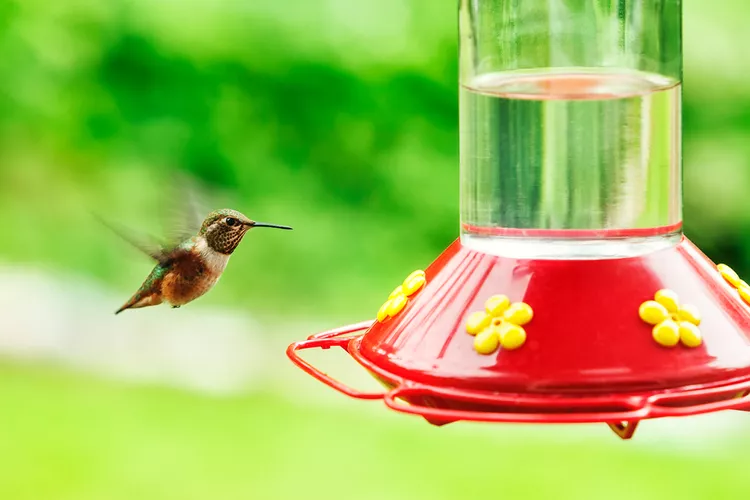
Fragrance and color—that’s what you’ll get when you plant summersweet (Clethra alnifolia) in your garden. This easy-care shrub bursts into bloom in late summer with spikes of richly scented white or pink flowers. Plus, in the fall, the leaves turn bright yellow. This native shrub for shade tolerates wet acid soil and salt spray. Use it in a foundation planting or a mixed border. Hummingbirds love this shrub, so it's a good choice to plant to attract hummers.
Growing Conditions: Part shade to full sun in well-drained, consistently moist soil
Size: 4–6 feet tall, 4 feet wide
Zones: 3–9
Viburnum
Once planted, viburnums are about as low-maintenance as you can get. These tough and colorful shrubs aren’t fussy about soil and have almost no disease problems. Most types of viburnums produce clusters of white flowers in the spring. Some viburnums are evergreen, while others offer bright yellow foliage in the fall. Viburnums come in various shapes and sizes that fit almost any landscape situation.
Growing Conditions: Part shade to full sun in well-drained soil
Size: 6–8 feet tall and wide
Zones: 2–9
Virginia Sweetspire
Virginia sweetspire (Itea virginica) has fragrant spring flowers and blazing fall foliage that often persists well into winter. It’s at home in either sun or shade, so it is an excellent choice for a transition between woodland and sunny gardens. This undemanding shrub attracts many pollinators, including bees, butterflies, and hummingbirds.
Growing Conditions: Sun or shade in moist, well-drained soil
Size: 2–6 feet tall, 4–6 feet wide
Zones: 5–9
Winter Daphne
Winter daphne (Daphne odora) produces clusters of small, white or pink, intensely fragrant blooms in early summer. This semi-evergreen shrub needs rich, slightly moist soil, and once planted, should be left in place because it doesn’t do well with root disturbance. Use daphne as a low hedge, specimen plant, or foundation plant on a sheltered side of your home.
Growing Conditions: Part shade in slightly moist, well-drained soil
Size: 3–4 feet tall, 2–4 feet wide
Zones: 5–7
Yew
One of the most versatile shrubs on the planet, yews (Taxus spp.) come in various shapes and sizes, and they can easily be sheared into hedges or screens. Use spreading varieties along a foundation or path, and line up upright forms to create privacy around a patio or spa. The plant’s soft, dark green needles look terrific all year long.
Growing Conditions: Full shade to full sun in well-drained soil
Size: Can vary by variety; some reach 2–4 feet tall, others up to 30 feet tall
Zones: 4–7