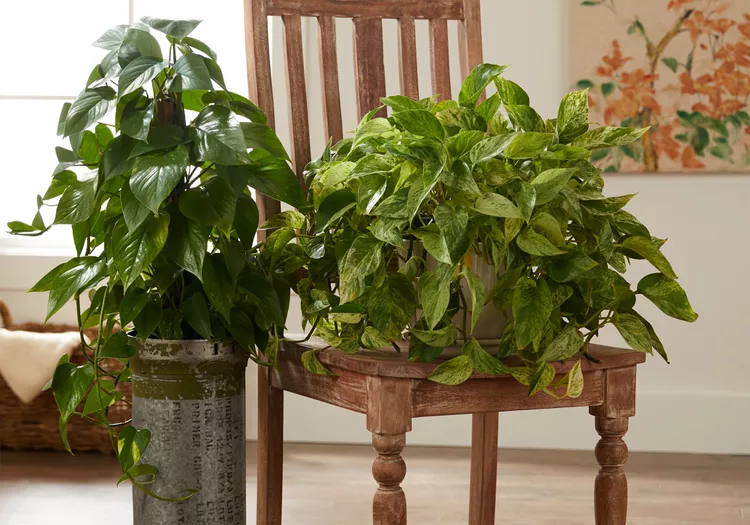
Vining pothos plants thrive in low-light homes and are super easy to multiply through stem cuttings. When you know how to propagate pothos correctly, you can expand your houseplant collection for free while also refreshing the look of a pothos plant when you trim off leggy, bare stems from time to time. Use this step-by-step guide to prune and propagate pothos plants in soil and water.
Pothos Propagation Tips
All types of pothos can be propagated in either soil or water. Water propagation is usually faster, while soil propagation produces sturdier plant roots and cuttings that may not need to be transplanted later if you propagate them in a roomy pot. The propagation method you use is up to you, but here are a few ways to increase the chances that your pothos cuttings will root successfully.
- Time it right. Pothos plants can be propagated in any season, but you’ll get the best results if you propagate them in spring and summer when the plants are actively growing.
- Notice the nodes. You can make multiple cuttings from a single pothos vine as long as each cutting has at least one or two leaves and several leaf nodes (the points on the stem where leaves emerge). This is an excellent way to tame overgrown pothos or tidy up long vines with minimal leaves.
- Pay attention to direction. For cuttings that have two cut ends, plant the stem end that was growing closer to the base of the plant rather than the tip of the vine.
- Leave a leaf. For each stem you cut off, make sure to leave at least one leaf so the parent plant can make enough energy to grow more leaves.
How to Propagate Pothos in Soil
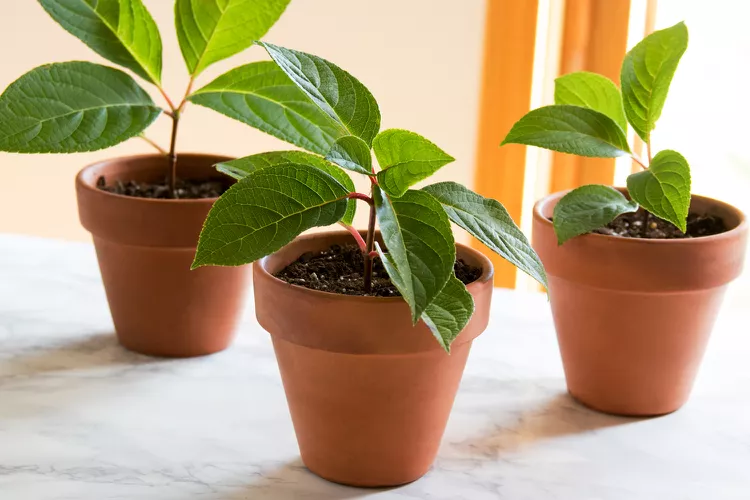
Pothos cuttings can be propagated in individual pots, but you can also propagate several pothos cuttings together in one container for a fuller look. Use a good-quality potting mix, optional rooting hormone, and these soil propagation tips to grow more pothos in just a few weeks.
Step 1: Take Pothos Cuttings
Using a sharp, sterilized pair of pruners or scissors, take 4- to 6-inch-long cuttings from healthy pothos vines. Some cuttings may not root, so take more cuttings than you need. Ensure that each cutting has at least one or two healthy leaves and several leaf nodes, and make the cuts at a 45-degree angle directly below a node.
Step 2: Remove Lower Leaves
Gently pluck off any leaves growing near the bottom of the cuttings. Leave at least two leaves at the top of each cutting.
Step 3: Add Rooting Hormone
Rooting hormone is optional, but it can cause cuttings to root faster and help prevent rot. If you use rooting hormone, dip the bottom 1 inch of each cutting into water and then dab it in a dish of powdered rooting hormone.
Step 4: Plant the Cuttings
Fill pots or planting trays with a pre-moistened potting mix and poke 1- to 2-inch-deep planting holes in the potting mix with your finger or a pencil. Place the cut end of a cutting into the planting hole and firm the soil around the stem to keep it upright. All pothos leaves should be above the soil line.
Step 5: Wait for the Cuttings to Root
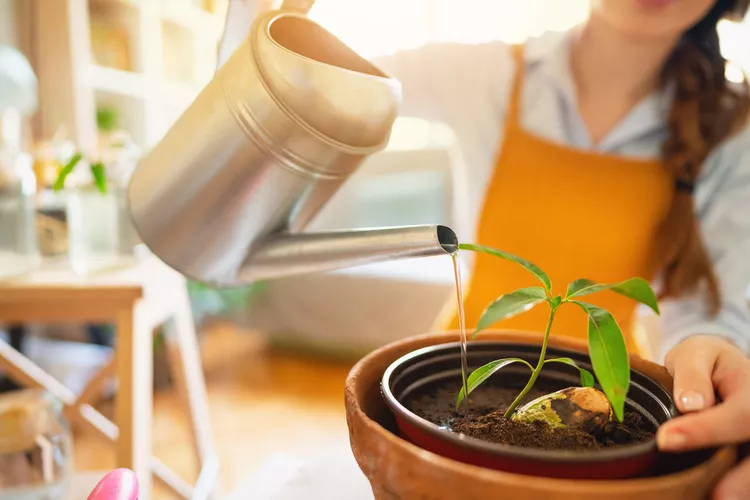
Move the cuttings into a spot that receives bright, indirect light and water them regularly to keep the soil moist but not soggy. If your home is very dry, you might want to place a clear plastic bag or humidity dome over your cuttings to lock in humidity; however, this is not required.
Pothos typically take about four to six weeks to root in soil. You’ll know the cuttings have rooted when they start to grow and cannot be easily lifted from the soil with your fingers. Once the cuttings have rooted, transplant them into larger pots if needed, reduce watering, and care for the new pothos plants like the parent pothos.
How to Propagate Pothos in Water
One of the benefits of propagating pothos in water is that you can watch how the pothos roots are developing. For easy root inspection, propagate pothos in a clear plastic or glass container.
Step 1: Take Pothos Cuttings
Take pothos cuttings from healthy pothos vines with clean, sharp garden pruners or scissors. Cut at a 45-degree angle directly below a leaf node. Each cutting should have at least two leaves and several nodes. Because some cuttings might not root successfully, it’s usually a good idea to take a few extra cuttings.
Step 2: Remove Lower Leaves
Gently strip off any leaves near the bottom of the pothos cuttings, but leave one or two leaves at the top of each cutting. Removing the lower leaves ensures they don’t sit below the water line, which can cause rot and spoil cuttings before they root.
Step 3: Place Cuttings in Water
Place the cut ends of the pothos vines in a clean container filled with 1 or 2 inches of water. At least one leaf node should sit below the water line, and all the leaves should be above the water. You can place several pothos cuttings in a single container of water.
Step 4: Wait for the Cuttings to Root
Move the cuttings into a spot that receives bright, indirect light and monitor them regularly as they root. Refresh the water once or twice a week and make sure the propagation container never dries out. Pothos cuttings usually take about three to six weeks to root in water.
Pothos plants can grow in water for months, but they will be healthier and grow better in soil.
Step 5: Transplant Rooted Pothos into Soil
When the pothos cuttings have 2- to 3-inch-long roots, transplant the new pothos plants into pots and care for them like the parent plant. Plant several cuttings together in a single container for a fuller look.