While hummingbirds are naturally adapted to handle warm weather—many species inhabit tropical climates—prolonged extreme heat can be challenging for them. By understanding the unique needs of hummingbirds and taking proactive steps, you can create a sanctuary in your yard that supports these colorful birds even through the hottest days of summer. We asked experts to share their best tips for supporting these tiny, energetic creatures during heatwaves.
- Robert Pierce is an associate extension professor at the University of Missouri, College of Agriculture, Food and Natural Resources.
- Jamie Nack is an extension senior wildlife outreach specialist at the University of Wisconsin.
How to Help Hummingbirds During Hot Weather
Use these tips to keep your neighborhood hummingbirds cool and safe during a heat wave.
1. Provide fresh nectar in clean feeders.
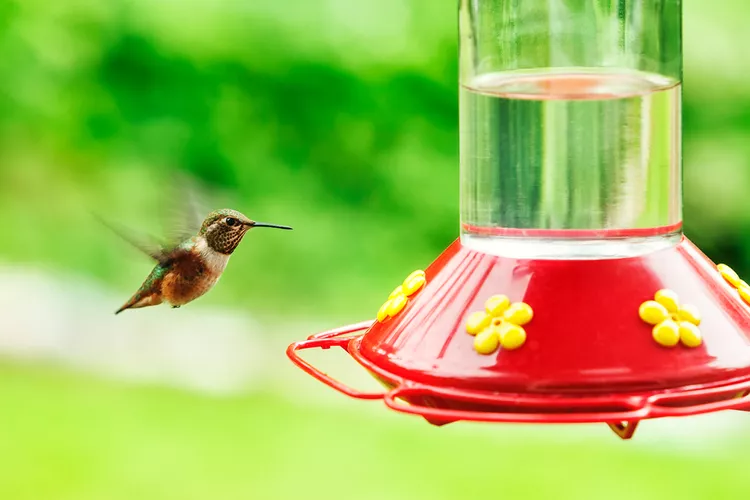
Regular hummingbird feeder maintenance is essential during hot weather. “It’s important to clean your feeders very well and change out the nectar very frequently,” says Robert Pierce, an associate extension professor in fisheries and wildlife at the University of Missouri.
When temperatures approach 90°F, you need to clean hummingbird feeders and replace nectar daily to prevent fermentation and mold growth, which can harm hummingbirds, says Jamie Nack, an extension senior wildlife outreach specialist at the University of Wisconsin. For temperatures above 100°F, Pierce recommends cleaning out feeders and replacing nectar two to three times a day.
Cleaning the feeders: Both Pierce and Nack recommend using a bottle brush and hot, soapy water when cleaning a hummingbird feeder to remove any mold. For a deeper clean, use a weak bleach solution (2 ounces of bleach mixed with one gallon of water) or vinegar. Then, rinse and dry the feeder completely before refilling it with fresh nectar.
Making fresh nectar at home: Nectar is easy to make at home by mixing four parts water to one part white cane sugar. Boil or microwave the water until it’s hot, add the sugar, and let it cool before filling the feeder. Never use honey, artificial sweeteners, or red food coloring, which can harm hummingbirds. Extra nectar can be kept in the refrigerator for up to a week.
Fill the feeders only halfway or a third of the way each day during hot weather to save time and prevent waste.
2. Place feeders in shaded areas.
Nack recommends placing feeders in shaded areas—such as under eaves or trees—to keep the nectar cool and reduce the rate at which it spoils. Pierce also notes that it can be beneficial to move feeders to different spots throughout the day to avoid direct sunlight.
3. Offer multiple feeders.
Nack suggests setting up multiple small feeders in different parts of the yard instead of one large feeder. Because hummingbirds are territorial, having only one feeder can create competition for limited resources, which can be particularly stressful during hot weather.
4. Provide a water source.
While hummingbirds typically get their daily water needs from nectar, they love water for bathing. “Fresh water is certainly a good practice to provide for hummingbirds,” says Pierce. Hummingbirds particularly love misters they can fly through to clean themselves and cool off, says Nack. Hummingbirds also use bird baths if they are shallow. If your bird bath is deep, add stones to create a shallow area for the tiny creatures. As with feeders, always ensure that bird bath water is fresh and clean to prevent the spread of diseases.
5. Create shade.
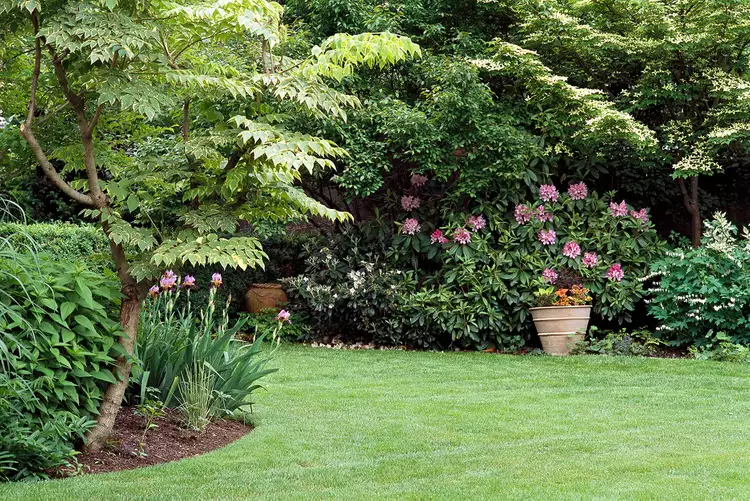
When temperatures rise, hummingbirds need access to shaded areas to escape the heat. “A lot of people love a manicured lawn,” says Pierce, “but for hummingbirds, that is like a heat trap without shade.”
Our experts stress that the best way to provide shade for hummingbirds is to plant native plants, particularly native trees and shrubs. These plants offer roosting and nesting sites for hummingbirds, as well as natural sources of nectar and insects, which are essential protein sources for young hummingbirds. Native plants are also adapted to local conditions and bloom at different times, ensuring a constant supply of food throughout the season.
If you don’t currently have native trees and shrubs in your yard, add some now to help hummingbirds cope with the next heat wave. To find hummingbird-friendly plants native to your area, contact your local extension office.
What to Do for a Heat-Stressed Hummingbird
If you find a hummingbird showing signs of heat stress, such as panting, acting lethargic, or staying on the ground, Nack recommends observing it for a while to ensure it needs help. “We want to be careful about taking in a tired hummingbird when it just needs some time to rest,” she says.
If it becomes clear that the hummingbird does need help, place it in a small box with ventilation holes and keep it in a quiet, dark place while you call a wildlife rehabilitator, says Nack. Wildlife rehabilitators can be found by calling your state’s Department of Fish and Wildlife. Avoid handling the bird more than necessary and keep pets and children away to reduce additional stress.