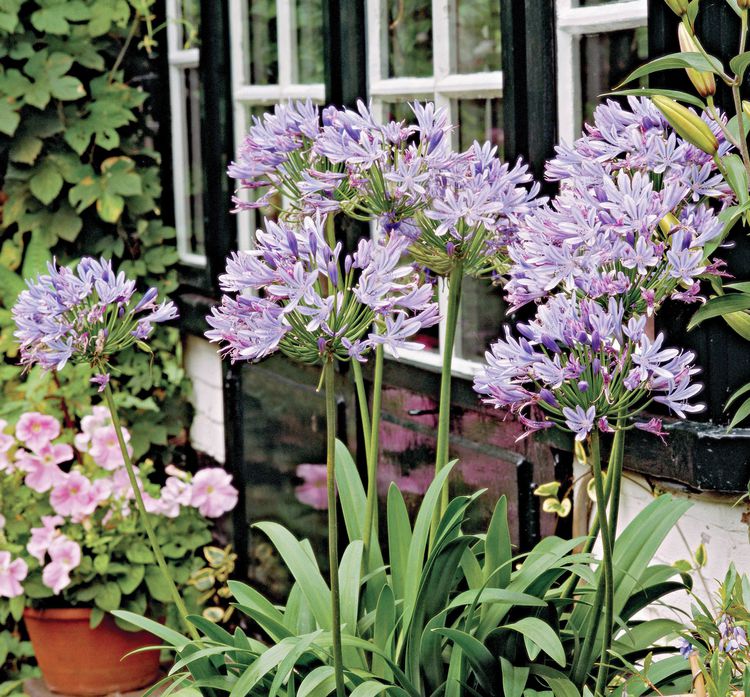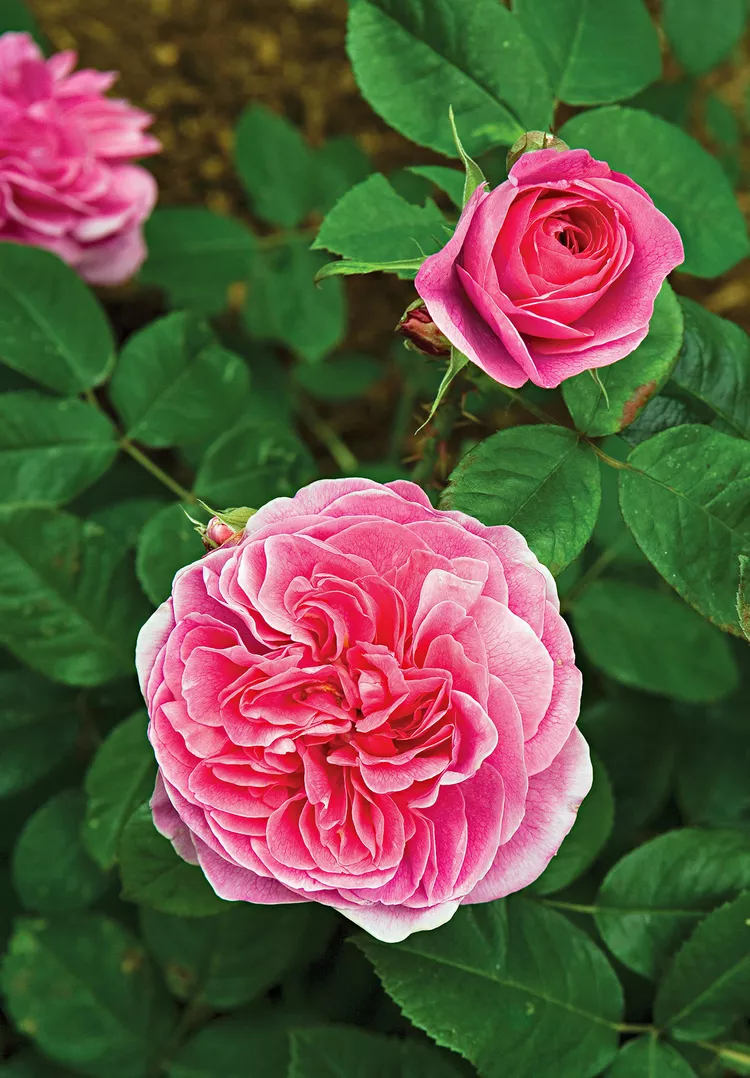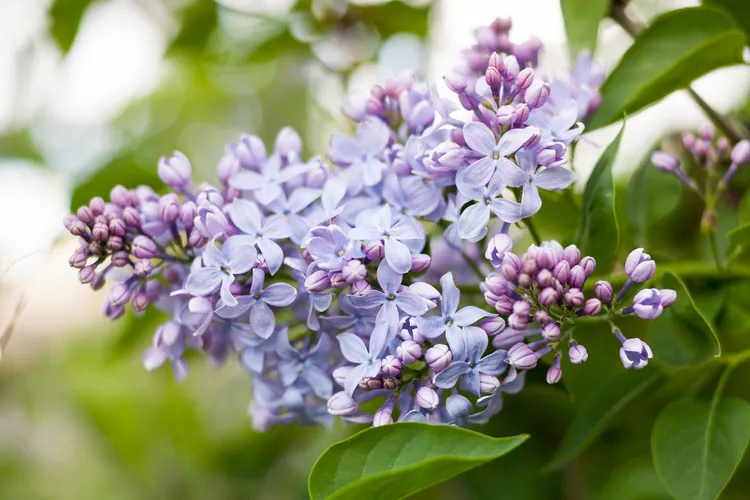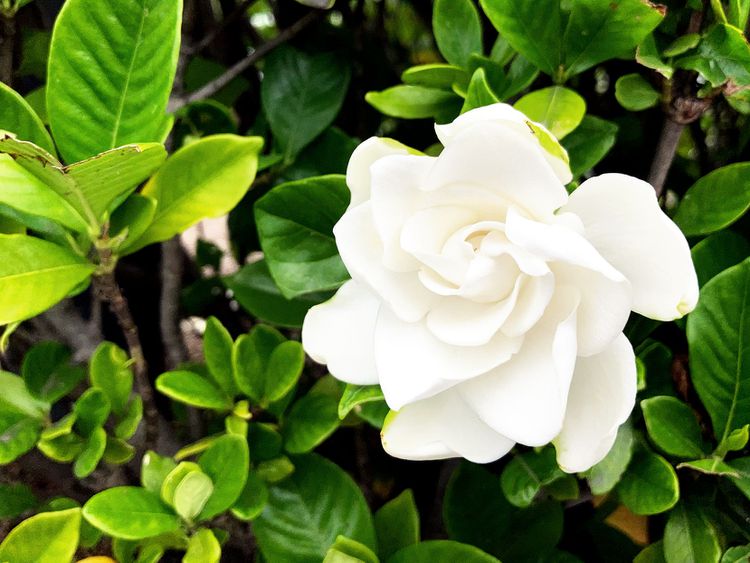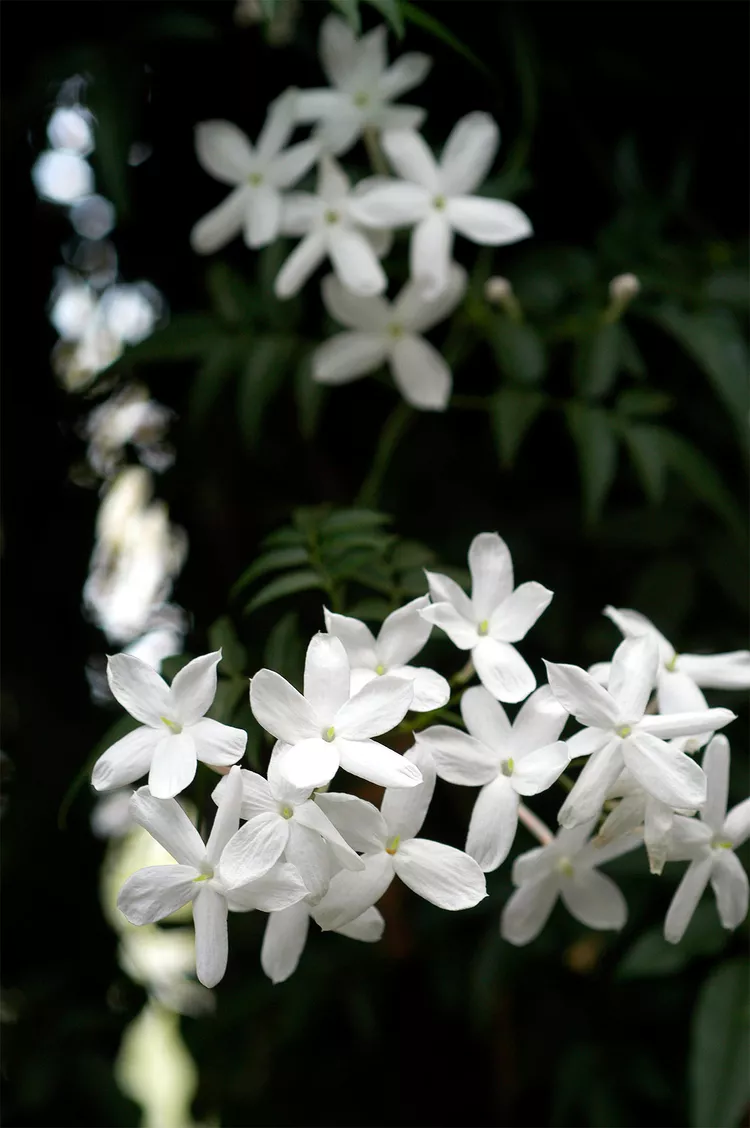
Valerian (Valeriana officinalis) has been cultivated for centuries for its medicinal use and fragrant flowers. It's also known as all-heal, alluding to its historical use as a remedy for numerous ailments.
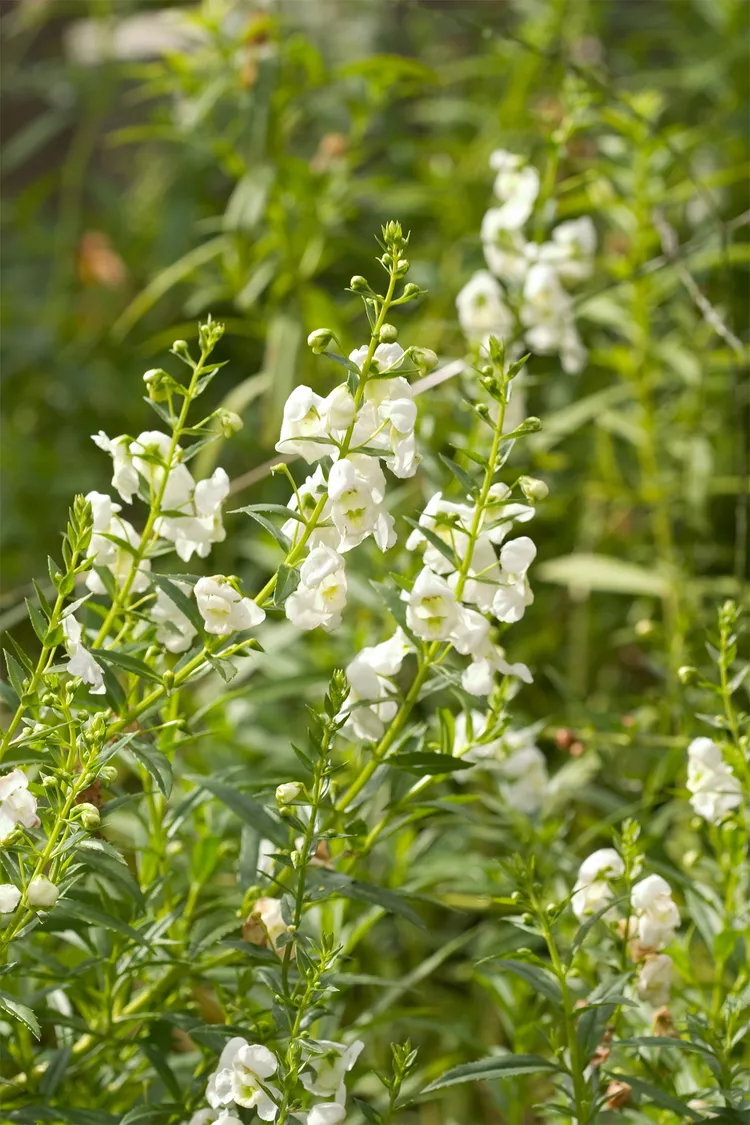
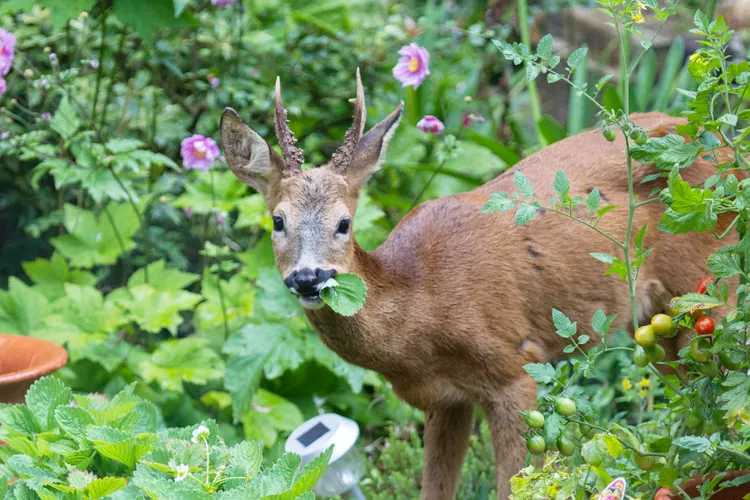
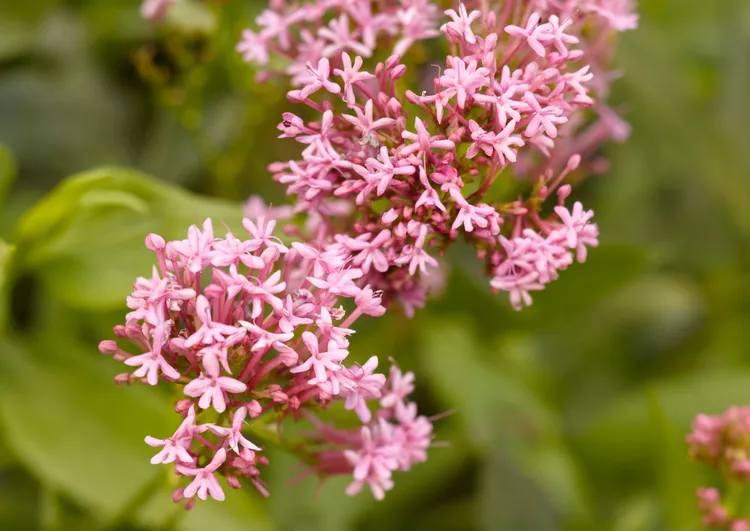
A tall perennial with an upright growth form, valerian is quite easy to grow—and sometimes hard to get rid of. If you’re looking for a deer-resistant perennial with a graceful form that is attractive to bees and butterflies, valerian checks those boxes. This clumping plant with compound leaves and thick, upright stems can reach 6 feet tall. In summer, the tops of the stems are covered in clusters of tiny fragrant blooms. It tolerates wet sites, making it a problem-solver for that damp corner of the yard.
Valerian isn’t native to North America; it was brought over from Europe and western Asia and has naturalized here. It spreads by rhizomes or seeds and often grows in disturbed areas like roadside ditches or pipeline right-of-ways.
Valerian Overview
| Genus Name | Valeriana officinalis |
| Common Name | Valerian |
| Additional Common Names | Garden valerian, Garden heliotrope, All-heal, Setwall, Cat’s love |
| Plant Type | Perennial |
| Light | Part Sun, Sun |
| Height | 4 to 6 feet |
| Width | 1 to 2 feet |
| Flower Color | Pink, White |
| Foliage Color | Blue/Green |
| Zones | 4, 5, 6, 7 |
| Propagation | Division, Seed |
| Problem Solvers | Deer Resistant |
Where to Plant Valerian
Choose a location with part shade to full sun. While valerian will grow in partially shady locations, too much shade causes the stems to flop over. Valerian likes consistently moist, loamy soil but tolerates less-than-ideal conditions and a range of pH. It prefers the cooler summers of the northern portion of the U.S., so provide afternoon shade when planting it in the southern states.
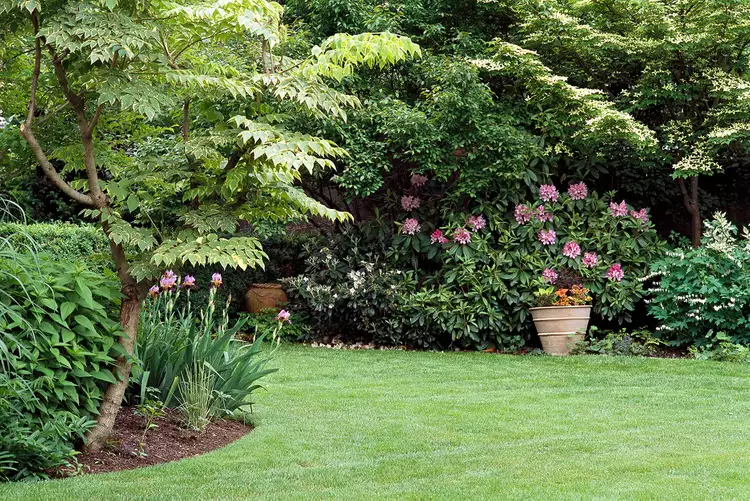
With its fragrant flowers and upright habit, valerian makes an excellent edging for a path, a visual screen for a seating area, or an informal division between outdoor areas.
Valerian is considered invasive in Connecticut and Wisconsin. Check with your state before planting.
How and When to Plant Valerian
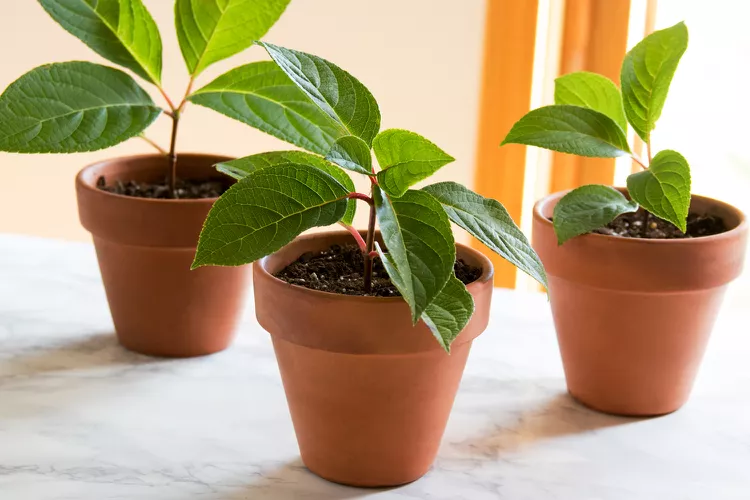
Valerian can be directly seeded into garden beds in spring after the danger of frost has passed and the soil has warmed, or start them indoors about four weeks before transplanting. The seeds need light to germinate, so don’t bury them.
Sow valerian seeds on the soil surface and lightly cover them with ¼ inch of soil outdoors or a thin layer of perlite or vermiculite if starting indoors. Use fresh seed; old valerian seed loses viability after a year. Even fresh seeds usually germinate at only 60 to 70 percent.
Valerian Care Tips
Valerian is content to do its thing without much attention from gardeners, which is why it is listed as invasive in some areas. It tolerates most soils and has deep roots. Choose a sunny spot with some moisture, and it will be happy.
Light
Valerian enjoys full sunshine but will grow with four or more hours of sun daily. Plantings in the shade may succumb to stem flop.
Soil and Water
Valerian is adaptable and grows in most soils, provided they aren’t soggy. It isn’t picky about pH but does best in slightly acidic to neutral soils.
Valerian enjoys consistent moisture levels but not wet or swampy conditions. Drainage is still a requirement. Provide supplemental water during the first year in between rain showers. Subsequently, it should only need watering during extended periods of dry weather. Maintain a mulch layer under and around valerian will keep it from drying out and reduce weeds.
Temperature and Humidity
Valerian likes cool weather and does better in the northern part of the country. It enjoys frequent rainfall and some humidity.
Fertilizer
Valerian doesn’t need fertilizer, but it enjoys rich, loamy soil. An annual application of compost should take care of it.
Pruning
Valerian spreads easily, so cut off the flower heads after they bloom but before they disperse seeds. Cut the old stems and foliage to the ground in fall or early spring.
Harvesting
Cut stems in summer for use in cut flower bouquets or to dry. Wait until at least the autumn of the second year to harvest the roots. You have to dig deep to get them all. Wash the roots and allow them to dry in a warm area. Many people dislike the smell of the drying roots, so do this outside. Store pieces of root in an airtight container out of the sunlight.
Pests and Problems
Valerian has naturalized in northeast North America and, like many introduced or non-native species, doesn’t suffer from many pest or disease issues.
How to Propagate Valerian
Valerian spreads by rhizomes and seeds. If you already have a valerian plant at home, dividing the roots is the quickest way to propagate it. In late autumn or early spring, use a garden fork to dig up the plant, removing it from the soil. Using your hands or a garden knife, tease and pull the root clump into several pieces. Replant each new piece and water it thoroughly.
Valerian Companion Plants
Mint
Any tall mint variety (Mentha spp.), like spearmint, makes an excellent companion plant for valerian. Most are hardy in USDA Zones 3-10 and vigorous. While they will spread, so can valerian, so your efforts to contain one will aid in controlling the other.
German Chamomile
German chamomile (Matricaria chamomilla) is an annual that self-seeds so readily that it is often mistaken for a perennial. This herb enjoys the same sun and soil characteristics as valerian. Once established, it’s drought-tolerant and provides loads of bright, daisy-like blooms.
Bee Balm
Bee balm (Monarda spp.) is a North American native and hardy perennial in USDA Zones 3-8. It grows 3 to 6 feet tall and flowers abundantly. Its upright form resembles valerian, and the plant is available in many colors. The seed heads are popular with finches, and the flowers, as the name implies, are loved by pollinators.