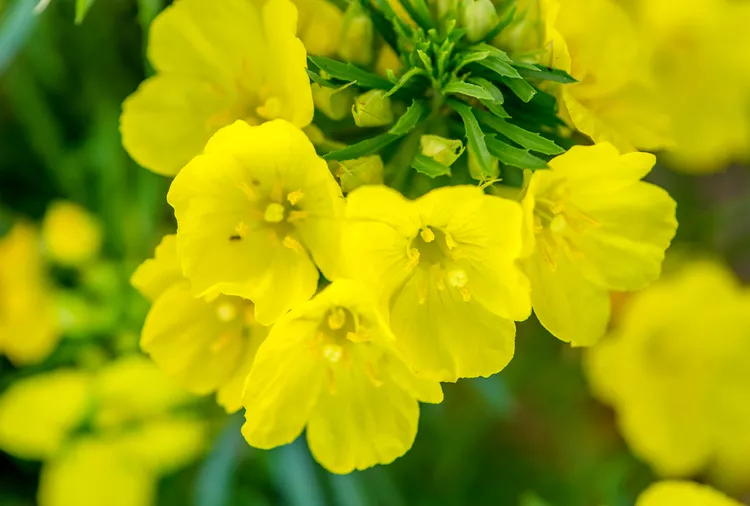
Sundrops (Calyophus berlandieri) are tough, low-growing perennials that thrive in summer heat. The plant forms a woody base and grows as a small subshrub up to 1 foot tall and 3 feet wide. In spring and early summer, hundreds of 2-inch-wide yellow flowers appear. Although individual flowers only persist for a day, the display lasts at least four to six weeks and may rebloom in the right conditions throughout the summer and into fall. Here's how to grow sundrops in your garden.
Sundrops Overview
| Genus Name | Calylophus berlandieri |
| Common Name | Sundrops |
| Additional Common Names | Berlandier's Sundrops, Texas Sundrop, Shrubby Primrose |
| Plant Type | Perennial |
| Light | Part Sun, Sun |
| Height | 8 to 12 inches |
| Width | 1 to 3 feet |
| Flower Color | Yellow |
| Foliage Color | Blue/Green |
| Season Features | Reblooming, Spring Bloom, Summer Bloom |
| Special Features | Good for Containers, Low Maintenance |
| Zones | 10, 11, 7, 8, 9 |
| Propagation | Seed, Stem Cuttings |
| Problem Solvers | Deer Resistant, Drought Tolerant |
Where to Plant Sundrops
Sundrops grow best in their native range comprising the South-Central states, including Texas, Kansas, Oklahoma, and the Gulf states east to Alabama. The range extends south into Northern Mexico. A full-sun garden is a must for this plant, where it can soak up some heat. In parts of the country where excess moisture is a concern, plant sundrops in an elevated rock garden where moisture quickly drains away from the plant’s root zone.
The tidy habit and cheery yellow flowers make sundrops a good choice for planting along walkways and at the front of the border garden. Allow sundrops to trail over the edges of hardscape paths and patios to soften the harsh edges.
How and When to Plant Sundrops
The best time to plant sundrops is late spring through early summer, although, with extra care, you can install them at any time during the growing season. Dig a hole no deeper than the plant’s root ball, loosen the soil around the planting hole to allow for easy root growth, position the plant at the same level as it was in its container, and fill in any spaces with soil from the hole you dug.
Water heavily after your sundrops are planted. You can apply a light layer of mulch or gravel around the base of the plant for aesthetic reasons and to help retain moisture while the plant acclimates to the new location. Check the plant regularly and water as needed for the first year. After that, reduce watering.
If you prefer to sow seeds, do it in a prepared garden bed in the fall and mark the area to protect the tiny seedlings that emerge in spring.
Sundrops Care Tips
Sundrops require minimal care and are highly drought-tolerant once established.
Light
A sundrops plant prefers full sun but tolerates light shade. It thrives in the intense summer sun and heat.
Soil and Water
Grow sundrops in pH-neutral to slightly alkaline soil with low fertility. It must have well-drained soil to survive and requires little water. Established plants rarely need supplemental water throughout the growing season, although occasional irrigation during a drought might be beneficial and stimulate additional blooming. If in doubt, go without. Excessive moisture in the root zone can be deadly for sundrops.
Temperature and Humidity
Although sundrops thrive in the heat, they are also quite cold-tolerant. Plants are root-hardy to at least 5°F, possibly colder. Young plants might experience tip dieback during a frost but quickly recover as the temperature warms. Be mindful of the level of soil moisture in humid environments. Sundrops prefer to be dry. Take extra care to avoid exacerbating the issue in regions where the humidity is high enough that soils do not dry out quickly.
Fertilizer
This perennial is native to regions with low soil fertility. Excessive fertilizer may weaken the plant. If fertilizer is necessary, apply a balanced (10-10-10 or 20-20-20) slow-release fertilizer at half-strength in spring. Resist the urge to add additional fertilizer throughout the year. This plant is happy in lean soil.
Pruning
Prune sundrops back to near the woody base in early spring to promote a tidy mound of uniform growth. Plants can be lightly sheared or deadheaded throughout the season to encourage healthy new vegetative growth and to prolong the flowering season.
Potting and Repotting Sundrops
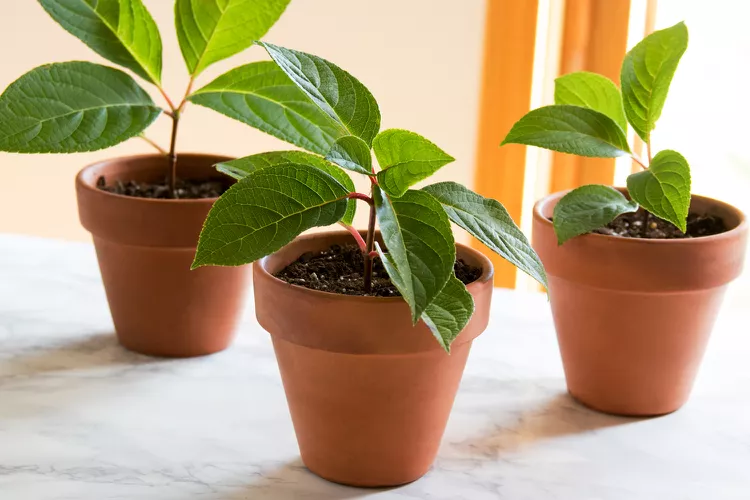
Sundrops will grow in small pots and mixed containers. Their naturally spreading habit and long bloom season make them the perfect “spiller” for mixed planters. Individual specimens can be grown in small terra-cotta containers to limit moisture in the root zone. Plants rarely need to be repotted. In areas with wet winters, move the pot under cover to eliminate the concern of excessive rain. Excess moisture at the roots and cool temperatures could harm the plant.
Pests and Problems
Disease and insects don't usually affect sundrops. The primary concern with sundrops is excessive moisture. Mature plants can survive weeks without supplemental water. Water infrequently and don’t allow the roots to sit in wet soil. Do not plant sundrops in heavy clay soil. Once saturated, clay takes a long time to dry, which can be fatal for the plant.
How to Propagate Sundrops
Sundrops can be propagated by seeds harvested from a mature plant or by cuttings.
The seed is small and may be hard to collect. Shake the dry seed pods over a sheet of paper placed directly under the plant in the garden to aid with seed collection. Sow fresh seed directly in the garden in the fall. Tag the location of the seed and monitor through spring to ensure you don’t miss out on the tiny seedlings.
You can also take cuttings of new growth in early spring. Remove the bottom leaves of the cuttings and place them in a lightly moistened potting mix over low bottom heat. Place the plants under a mist system or cover them with a transparent cover and lightly mist them once or twice a day. Don’t allow the soil to dry out completely, but ensure it doesn’t stay saturated.
Types of Sundrops
‘Butter Cream’
The flowers of ‘Butter Cream’ sundrops (Calylophus berlandieri ‘Butter Cream’) are a lovely pale butter yellow, whereas the traditional sundrops flowers are a more saturated, lemon yellow color. They attract butterflies and hummingbirds.
‘Gold Foil’
Calylophus berlandieri ‘Gold Foil’ is a 2023 introduction that forms a tight, uniform clump of lemon yellow flowers that first bloom in late May and continue blooming all summer long.
‘Ladybird Sunglow’
Calylophus hybrid ‘Ladybird Sunglow’ sundrops is a low-growing plant, reaching 4–8 inches tall and up to 20 inches wide. It is covered in bright sunny yellow blooms throughout the summer. Grow it as an annual or tender perennial.
‘Ladybird Lemonade’
Calylophus hybrid ‘Ladybird Lemonade’ reaches 4–8 inches tall and spreads 20 inches wide. It is extremely heat tolerant and is covered in pale yellow flowers throughout the season. Grow it as a heat-loving annual or tender perennial.
Sundrops Companion Plants
Sedum
Sedums are available in many colors, sizes, and textures. Use low-growing green sedums to provide a base layer around your sundrops, or go wild and experiment with purple and burgundy sedums to create dramatic contrast in the garden. Sedum is easy to grow and requires little maintenance.
Agave
Agaves come in a wide variety of sizes and colors. The species is known for its dramatic foliage. Use blue agaves to provide an upright structure to a garden, with yellow sundrops playing against the steel-blue color of these intriguing plants.
Pine Muhly
Pine muhly is a small (1-3 feet tall) heat- and drought-tolerant evergreen grass. Use swaths of pine muhly to anchor a planting, with clumps of sundrops in the foreground to add color in late spring and early summer.