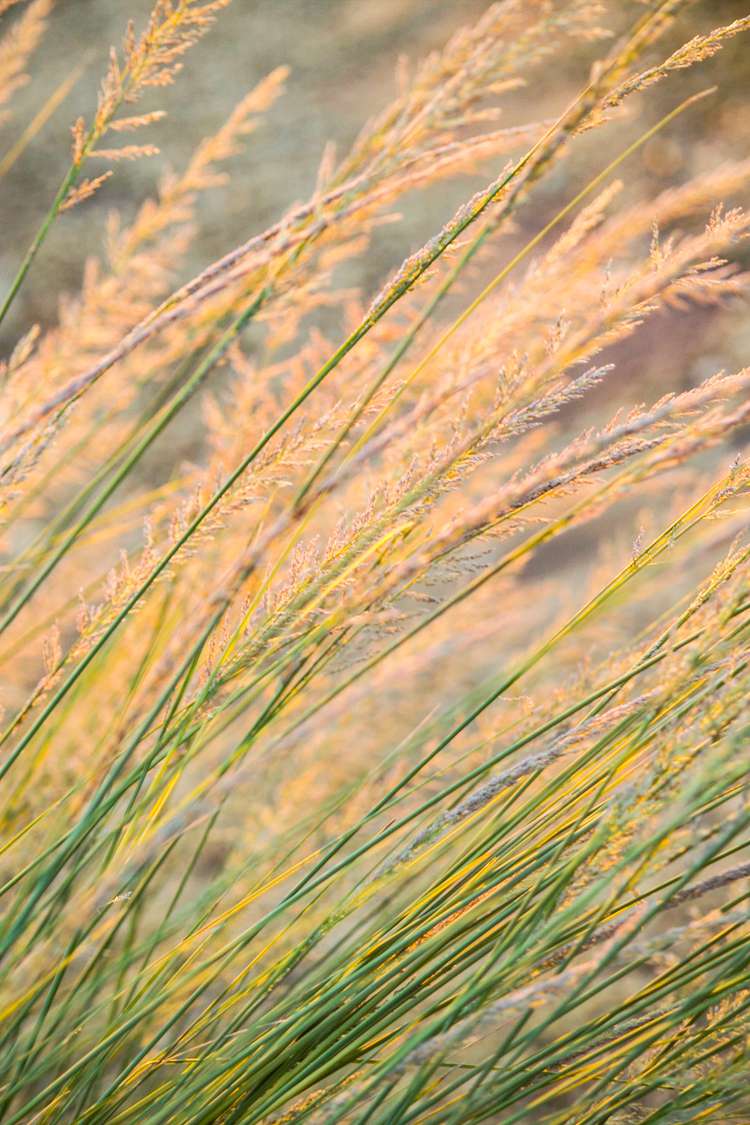
The beauty of Indian grass (Sorghastrum nutans) begins with its yellow-bronze flowers in late summer and early fall. The fall color of golden yellow to dark orange contrasts with the golden brown, silky tassels of seeds. When backlit, the seeds are stunning. The blue-green leaves change to orange-yellow in the fall, retaining a hint of color in winter. Growing in clumps 3-7 feet tall, this plant is a stunning accent in the garden and serves as a screen during the growing season until late winter.
This deer-resistant ornamental grass attracts pollinators and birds and provides shelter for wildlife. The birds eat from the seed heads and can be observed perched on the top of the tall grass in fall and winter. Finches and sparrows eat the seeds all winter.
Indian Grass Overview
| Genus Name | Sorghastrum |
| Common Name | Indian Grass |
| Additional Common Names | Yellow Indian Grass, Yellow Prairie Grass |
| Plant Type | Perennial |
| Light | Part Sun, Sun |
| Height | 5 to 7 feet |
| Width | 2 to 3 feet |
| Flower Color | Yellow |
| Foliage Color | Blue/Green |
| Season Features | Colorful Fall Foliage, Fall Bloom, Summer Bloom |
| Special Features | Attracts Birds, Low Maintenance |
| Zones | 3, 4, 5, 6, 7, 8, 9 |
| Propagation | Seed |
| Problem Solvers | Deer Resistant |
Where to Plant Indian Grass
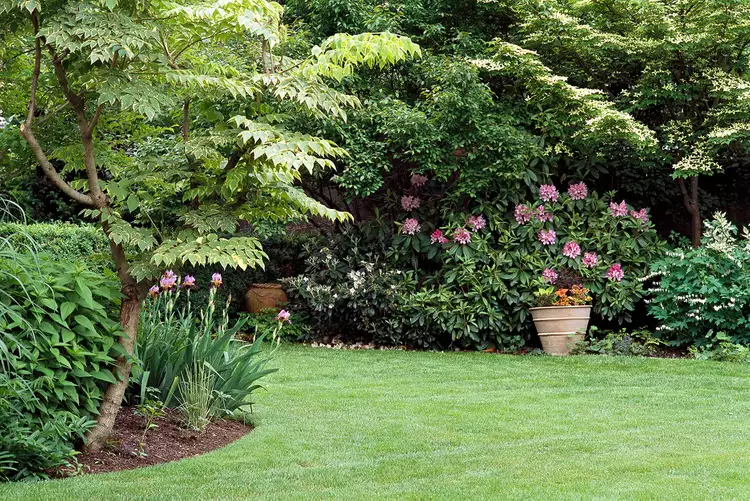
Use Indian grass in prairie gardens, mass plantings, garden beds, and native habitat gardens where it provides food and shelter for pollinators and wildlife. It can also serve as a screen in summer. Plant Indian grass in USDA Hardiness Zones 3 to 9. It grows best in full sun and is not particular about the soil; it grows in any soil from clay to sand. When choosing a location, keep the plant's size (up to 7 feet) and the large number of seeds it produces in mind.
When seeding a prairie, sow Indian grass in a low quantity so that it doesn't overtake the site when the mature plants drop seed. If used in a garden, plant a few Indian grass plants and use similar-size companion plants to support the grass and keep it upright.
How and When to Plant Indian Grass
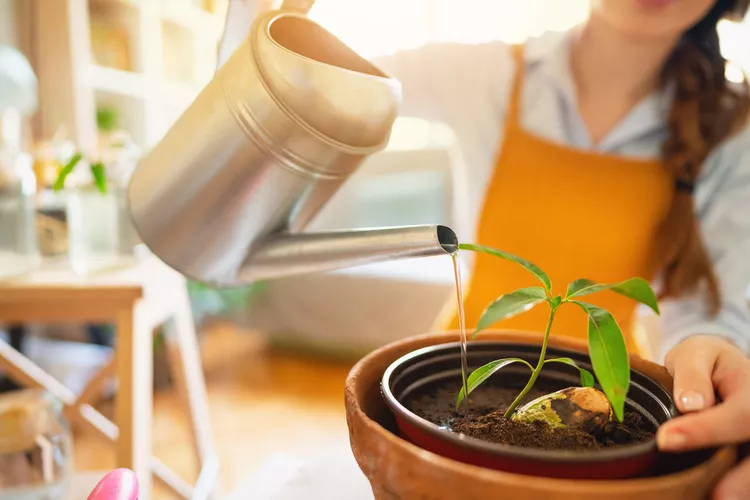
Plant Indian grass nursery-grown plants whenever the ground is workable and plants are available. Native plants show growth later than some garden plants, so garden centers may not have Indian grass plants in spring or early summer. Dig a hole slightly larger than the root ball. Amend the soil if needed, although this plant tolerates most soil conditions, and plant the Indian grass at the same depth it was in its container. Water the plant immediately and throughout the first year if the soil is dry. When planting several Indian grass plants, space them 2 to 3 feet apart.
Sow Indian grass seeds in the fall. They go through a period of cold stratification in winter and germinate when the soil warms in spring. (When planted in the spring, they must be cold-stratified in a refrigerator before sowing.) Cover the seeds with 1/4 inch of soil and add a layer of mulch in colder areas.
Indian Grass Care Tips
Indian grass is a low-maintenance plant when its relatively undemanding needs are met.
Light
Plant Indian grass in a spot that receives full sun. It will grow in partial sun but not as vigorously.
Soil and Water
Indian grass grows in just about any type of soil, including clay, average, loamy, and sandy. It grows best in moist to medium-wet soil, but the soil must drain well. It grows in a pH range of 4.8-8.
Water the grass the first year and in periods of drought. When Indian grass is planted in dry soil, it might require supplemental water after the first year.
Temperature and Humidity
Warm-season ornamental grasses like Indian grass grow best in a temperature range of mid-80s to mid-90s, although they tolerate temperatures as low as 60°F. They go dormant in cold weather. Indian grass prefers a dry environment.
Fertilizer
Indian grass requires no fertilization. It is comfortable growing in infertile soil.
Pruning
No pruning is required, but some gardeners prefer to cut back the grass to 4 inches in late winter while it is dormant.
Pests and Problems
Caterpillars, grasshoppers, and various insects feed on Indian grass, but they, in turn, are food for a large number of birds and other wildlife drawn to the ornamental grass, so no other remedy is usually needed.
The grass can be damaged by fungi, such as leaf spot and rust, although the damage is usually only cosmetic.
How to Propagate Indian Grass
Indian grass is best propagated by seed. Division is difficult and often unsuccessful because of the plant's complex root system, which is long and tangled.
Gather the seed in the fall by shaking a stem while holding a container beneath the seed head to capture the seeds as they fall or by gathering several stems in one hand and cutting them all beneath the seed heads. Place them in a paper bag and shake the bag vigorously to release the seeds. The seeds require cold stratification; plant them in the winter for natural stratification and spring germination. If planting in the spring, place the seeds in a sealed plastic bag and put them in the refrigerator for a couple of months before planting.
Plant the seeds 1/4 inch in the soil and water them. The soil temperature must be at least 50°F for germination.
Types of Indian Grass
'Indian Steel'
Sorgastrum nutans ‘Indian Steel’ has steel-blue foliage that turns yellow in the fall and has a gold color in the winter. This 3–5 foot plant produces blooms in late summer that last until fall. 'Indian Steel' is a drought-tolerant prairie grass that is low-maintenance and grows in poor soil. It prefers full sun. Zone 4-9
'Bluebird'
Sorgastrum nutans ‘Bluebird’ forms narrow clumps of bluish foliage. It grows from 3 to 5 feet, sometimes taller, and spreads 2 to 3 feet wide. 'Bluebird' produces tan-yellow flowers in late summer and early fall and takes on a bronze cast that provides winter interest. Zone 4-9
'Sioux Blue'
Sorgastrum nutans ‘Sioux Blue’ differs from the native plant by having bright, metallic-blue foliage and a narrower upright form. 'Sioux Blue' reaches 5–6 feet tall. Tan-yellow flowers on narrow, feathery 12-inch panicles appear above the foliage in late summer to early fall. The panicles turn bronze in the fall and provide interest into the winter. Zone 4-9
Indian Grass Companion Plants
Big Bluestem
The habitat requirements of big bluestem are almost the same as those of Indian grass. With its three-pronged cluster of flowers atop tall 5–8 foot stems, this plant has become a symbol of the tallgrass prairie. Big bluestem is native to nearly all of North America, but regional forms should be grown to match the local growing season, where they are timed to flower with habitat activity. Grow in full sun to partial shade in a range of rich to poor soils. Blue-green stems in summer turn to a bronzy reddish brown in the fall.
Wild Bergamot
Wild bergamot, a type of bee balm, is native throughout much of temperate North America, including the Midwest. Wild bergamot is easy to grow in average garden soil in full sun or partial shade, and it spreads into a 2-4 foot clump. Its lavender-to-purple flowers bloom in mid to late summer. It attracts many bees and butterflies. The leaves are extremely fragrant when rubbed or crushed.
Goldenrod
The golden yellow flowers of goldenrod bloom in late summer and fall. Some varieties are not garden friendly, but some work well for gardeners. One is showy goldenrod, Solidago speciosa, which grows to about 3 feet tall. It supports biodiversity with its flowers that bloom in fall and attract monarchs, moths, migrating birds, and local birds.
Joe Pye Weed
Joe Pye weed is a standout in any garden. It reaches up to 8 feet tall and wide. This native wildflower adds texture to a garden with deep green foliage and airy purple blooms and can act as a backdrop for smaller plants. This plant's blooms attract butterflies and other pollinators, so you'll have lots of activity around your garden with Joe Pye weed. Once the flowers begin to fade, the seeds ripen and puff up to add late-season interest.
Aster
Easy-to-grow aster comes in a variety of shapes and sizes. Although a few species bloom in early spring, most put on a spectacular flower display, supported by evergreen foliage, from late summer well into fall, when other summer blooms are fading. They are a delight in cutting gardens and sunny or lightly shaded borders.
Garden Plan for Indian Grass
Prairie Garden Plan
A native garden means prairie-inspired plantings. This stunning prairie garden design is full of blooming perennials and ornamental grasses indigenous to the Midwest. False blue indigo, Indian grass, prairie blazing star, and little bluestem are just a sampling of the gorgeous natives in this colorful design.