How to Create a Stunning Rose Arch Covered with Flowers

19.3K
1.2K
334
2025-10-27
How to Create a Stunning Rose Arch Covered with Flowers

With nearly 30 antique rose specimens lining her garden in Texas, Rhonda Kaiser clearly has a passion for the plants. But after an inspiring visit to the Antique Rose Emporium in Brenham, Texas, she knew she was missing something: a showstopping entryway to her garden. Here's how she created a soaring, rose-covered arch—and how you can too.

  • Rhonda Kaiser is a Master Gardener based in Texas, who documents her projects on Instagram (@southernhomeandfarm).
  • Liam Beddall is the Senior Rose Consultant at David Austin Roses.

Best Rose Varieties for Arches

Choose a climbing rose variety that maxes out at 15 feet to prevent a top-heavy archway. Steer clear of types known for stiff branches and instead look for more flexible varieties that can easily weave in and out of a structure. Here are some tried-and-true recommendations:

'Peggy Martin' is the rose Kaiser selected for her arch. It's a scentless, vigorous climbing rose with a backstory of resilience: The plant from which this cultivar was developed survived submersion in salt water for two weeks in Louisiana after Hurricane Katrina. "That rose is a stunner,” says Kaiser, “and she does well almost anywhere.” It's hardy in Zones 4-10.

'America' climbing rose (shown) features sprays of large, pointed buds that unfurl to many-petaled, coral-pink blooms. The flowers smell pleasantly spicy. The plant is hardy in Zones 6-9.

‘Mary Delany’ English climbing rose is a nearly thornless variety with light pink flowers that open in sprays over a long season. It can handle partial shade and is hardy in Zones 4-11.

‘Claire Austin’ English climbing rose produces a heady myrrh fragrance and is a vigorous grower with pale lemon buds and creamy white flowers. This variety is hardy in Zones 5-11.

Strawberry Hill’ English climbing rose is a repeat-blooming climber known for its strong fragrance, arching branches, and pink rosettes. It's best for Zones 4-11.

‘Cécile Brunner’ climbing rose looks great on an arch and is a favorite for lapels because of its long stems, light tea fragrance, and small soft pink buds. Grow it in Zones 4-11.

Rhonda Kaiser

Roses are so hearty, and the history behind each variety is fascinating.

— Rhonda Kaiser

How to Set Up Your Rose Archway

Garden archways come in all kinds of styles and materials, but you'll want to opt for one that's heavy and sturdy enough to support a lot of plant growth. Kaiser used a heavy metal trellis stabilized with rebar stakes.

Once you've chosen your archway, it's time to choose a spot for it. The entrance to your garden or an outdoor seating area is a natural spot, but what's most important is that you pick an area with full sun and well-drained soil (amend as necessary if your soil is less than optimal). Make sure your spot is flat, leveling as needed, and then place your archway with the help of a friend.

After below freezing temperatures have passed in late winter or early spring, plant one bare-root climbing rose on either side of the archway. Amend with more compost and water deeply.

Always water at the base of rose plants or, better yet, set up a drip irrigation system that targets water to the right place. Spraying rose leaves and buds can cause disease and invite pests. Whether you're watering by hand or scheduling an irrigation system, give plants a long, deep soak once or twice a week (during particularly hot spells, water more often).

How to Train and Water Climbing Roses

As plants grow, carefully weave the plant’s largest and sturdiest stems in and out of the frame, affixing them to the structure with garden ties as needed. Liam Beddall, a senior rose consultant for David Austin Roses, recommends doing your best to train the stems horizontally. This encourages stems to send out more shoots, resulting in more flowers.

How to Prune a Rose Arch

Continue to gently weave the stems through the structure as the plants grow. Deadhead and prune lightly after flowering and make bigger cuts in late winter or early spring, removing dead or diseased canes. Don’t be afraid to sacrifice height in your first few seasons for better health of your roses. Allow one or two main stems to reach the top of the structure and stagger the rest. Kaiser applies a preventive fungicide when removing dead canes to fend off black spot and other fungal issues.

Once your plants are well-established, Beddall recommends pruning the main stems to three different heights (e.g., 2, 3, and 5 feet tall) so they grow in a staggered fashion. This encourages flowering throughout the archway, not just at the top.

Now, about five years since Kaiser planted the rose, her 12-foot-tall archway explodes with pink blooms each spring, even under the harsh Texas sun.
Article "tagged" as:

Related Article

How to Propagate Pothos Successfully in Soil or Water
40.9K
408
61

How to Propagate Pothos Successfully in Soil or Water

Learn how to propagate pothos plants successfully with these simple step-by-step instructions.
24 Easy-Care Houseplants With Low Watering Needs
16.7K
334
93

24 Easy-Care Houseplants With Low Watering Needs

The low-maintenance, easy-care houseplants in this collection add lushness and color to any home without needing much more than occasional watering.
How to Plant and Grow Philodendron
38.6K
772
270

How to Plant and Grow Philodendron

Find growing information on philodendron, the perfect houseplant for new plant owners.
How to Get Rid of Spider Mites on Indoor Plants
46.1K
4.1K
1.9K

How to Get Rid of Spider Mites on Indoor Plants

Spider mites are a common houseplant pest. Learn the early signs of spiders mites on your plants and how to get rid of them.
16 Small Backyard Garden Ideas for Maximizing Your Landscape
36.4K
3.3K
820

16 Small Backyard Garden Ideas for Maximizing Your Landscape

Even the tiniest landscapes can be magical outdoor spaces with these small backyard garden ideas that maximize your yard.
Here's How to Dry and Preserve Flowers to Enjoy Their Beauty Year-Round
37.9K
3K
1.2K

Here's How to Dry and Preserve Flowers to Enjoy Their Beauty Year-Round

Learn how to dry flowers with air drying, silica gel, or even the microwave. These three methods to preserve flowers are great for wreaths, bouquets, and decorating projects.
How to Clean a Hummingbird Feeder in 5 Easy Steps
9.2K
184
51

How to Clean a Hummingbird Feeder in 5 Easy Steps

Keep your garden a safe and welcoming space for hummingbirds by following our five-step guide for how to clean hummingbird feeders.
How to Plant and Grow Angelonia
7K
140
26

How to Plant and Grow Angelonia

Angelonia (or summer snapdragon) is a spectacular addition for continuous color in any garden.
How to Plant and Grow Agapanthus
18.4K
1.8K
330

How to Plant and Grow Agapanthus

Agapanthus is a low-maintenance perennial and landscape staple that produces clusters of trumpet-shaped flowers.
How to Plant and Grow Shrub Roses
40.7K
3.7K
696

How to Plant and Grow Shrub Roses

Learn to grow shrub roses, which combine all of the best characteristics of roses into a beautiful, low-maintenance plant.
11 Best Deer-Resistant Shrubs for Avoiding Browsing Damage
38.2K
1.5K
504

11 Best Deer-Resistant Shrubs for Avoiding Browsing Damage

No plant is completely safe, but these deer resistant shrubs tend to be low on the menu for hoofed garden visitors.
What's Causing Your Gardenia's Yellow Leaves? We Have Answers
16.5K
1.5K
251

What's Causing Your Gardenia's Yellow Leaves? We Have Answers

What causes your gardenia's yellow leaves? Here's the reason and how to fix it. Gardenias are high-maintenance, but this is how to make them happy.
How to Plant and Grow Jasmine
42.3K
3.8K
418

How to Plant and Grow Jasmine

Jasmine is a perennial shrub or vine beloved for its fragrant flowers. Learn how to grow it in your garden or as a houseplant.
Do Deer Eat Tomato Plants? 5 Ways to Protect Your Harvest
42.1K
1.7K
775

Do Deer Eat Tomato Plants? 5 Ways to Protect Your Harvest

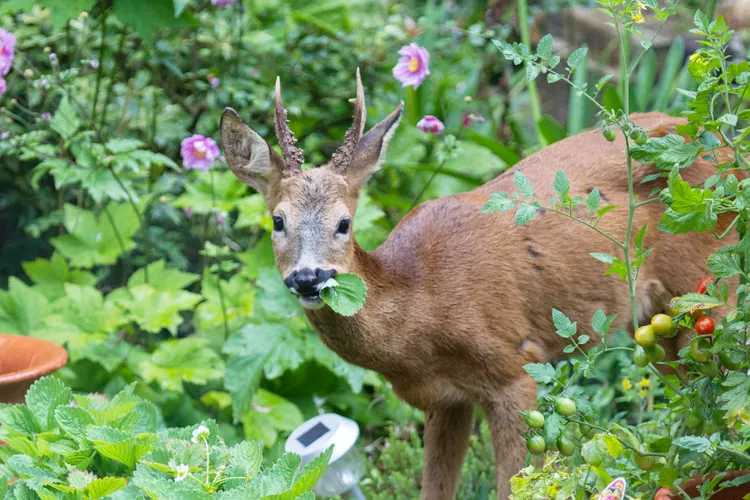
Deer do eat tomato plants from time to time. Here's how to recognize deer damage on tomatoes and how to prevent the creatures from ruining your crop.
11 Simple Tips for Growing Carrots in Containers Successfully
31.7K
317
44

11 Simple Tips for Growing Carrots in Containers Successfully

Growing carrots in containers saves space and protects carrot roots from pests. Here's how to plant and grow carrots in pots.
Which Types of Garlic Are Best to Grow in Your Garden?
32.5K
3.2K
1K

Which Types of Garlic Are Best to Grow in Your Garden?

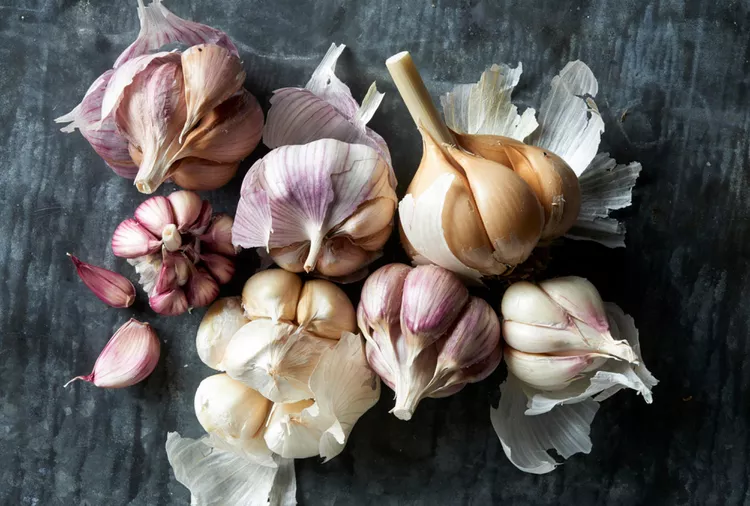
Hardneck or softneck? Here’s what to know about different types of garlic and how to grow them.
How to Plant a Mango Seed and Successfully Grow It in 5 Steps
40.3K
805
152

How to Plant a Mango Seed and Successfully Grow It in 5 Steps

Learn how to plant a mango seed and grow it with only a few basic supplies and a little time. Use this guide to grow a mango seed successfully.
What Is a Fairy Ring? And Will It Harm Your Lawn?
23.4K
2.3K
1.1K

What Is a Fairy Ring? And Will It Harm Your Lawn?

Find out what causes those mysterious circles of mushrooms on your lawn and how to prevent fairy rings.
How to Grow Plants from Cuttings to Fill More Pots for Free
32.7K
981
245

How to Grow Plants from Cuttings to Fill More Pots for Free

Use this simple propagation technique to grow new plants with stem cuttings.
Easy Lawn Repair for Patchy Grass Using Seed or Sod
10.2K
812
292

Easy Lawn Repair for Patchy Grass Using Seed or Sod

With a bit of grass seed or sod, lawn repair is easy, and you’ll soon have a lush green carpet again.