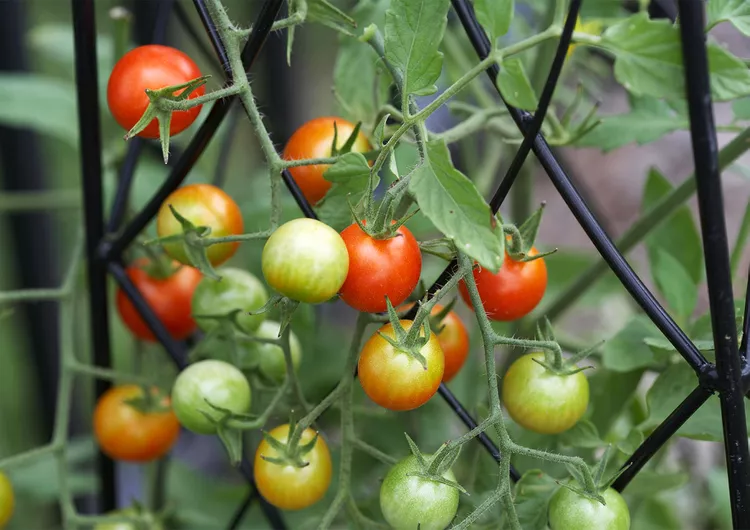
Tomatoes are surely the most anticipated fruit in the garden. Neighbors compete to see who picks the first fruit and the inaugural BLT sandwich of the season is cause for celebration. The other end of the harvest window—those days when fall frost is threatening—offer treasured harvests too.
The beginning of tomato season varies by region, but the typical 3-week harvest window can easily be stretched to 8 weeks with a little preparation. Harvest tomatoes earlier in the growing season and continue harvesting for months by thoughtfully selecting varieties and embracing some easy and effective cultural practices.
When is Tomato Season?
The exact timing of tomato season depends on your region. In the deep South and Southwest, tomatoes are planted as early as January and ripen in April and May. In these hot regions, tomato harvest usually ends in early June due to high temperatures. In the Mid-Atlantic region and other locations with moderate temperatures, tomatoes are planted as soon as the last chance of frost passes in spring. Fruit ripens in late spring and early summer in these areas.
Unique growing climates, such as parts of California and the Pacific Northwest, experience months of summertime tomatoes with the first fruits ripening in late spring. Finally, tomatoes are ready to pick in cool regions, such as the Northeast and Midwest, in midsummer and fruit continues to ripen until the first frost in fall.
Extending Your Tomato Season
No matter where you garden, there are several things you can do to extend your tomato harvest window. Slicing a sun-warmed, just-picked tomato doesn't have to be limited to a 3-week period. Get ready to enjoy homegrown tomatoes for 8 weeks or more with these simple garden strategies.
1. Wait for the soil to warm.
Tomato plants grow best in soil that is at least 55°F. While it's tempting to plant seedlings in the garden as soon as the air temperature warms up in spring, it’s the soil temperature that spurs fast, efficient growth. In cold regions, the soil temperature usually reaches about 55°F about 2 weeks after the last forecasted frost date in a particular area.
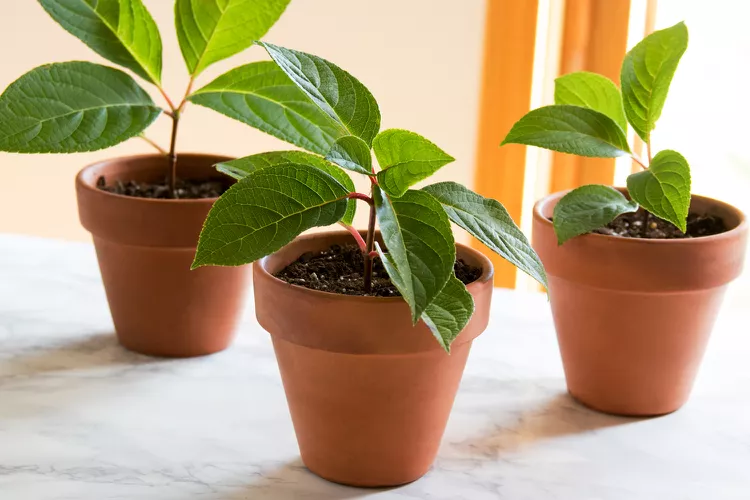
Tomatoes planted in the garden before the soil is warm tend to languish. The stress brought on by cold soil will slow their growth and delay fruiting for two weeks or more. Care for tomato plants in a bright sunny window or under grow lights until it's time to harden them off and transplant them into your garden.
2. Plant for an early tomato harvest.
Start your harvest earlier by choosing types of tomatoes that mature faster. Tomato plants that produce fruit in just 55 days or so after seeding are the very first varieties to ripen and are often called early season tomatoes. In colder areas, these fast-growing and fruiting varieties sometimes produce their first tomatoes by July 4.
In warmer climates, early maturing tomatoes are essential for fruit to develop before the intense heat sets in. Tomato plants drop blossoms and stop fruiting when the air temperature is above 90°F. Varieties prized for their early harvest window include: ‘Fourth of July,’ ‘Early Girl,’ ‘Golden Sweet,’ ‘Jetsetter,’ ‘Juliet,’ and ‘Oregon Spring.’
3. Include indeterminate varieties.
Tomatoes belong to one of two groups, based on how they flower and fruit: determinate or indeterminate. Determinate varieties grow to a certain height, stop growing, and produce fruit. All determinate variety tomatoes produce fruit over a two-to-three-week window.
Indeterminate varieties continue growing and fruiting until the plants are killed by frost. Indeterminate varieties can produce fruit for 2 to 3 months. Add weeks to the end of your tomato season by planting several indeterminate varieties. A few favorite indeterminate varieties include ‘Beefmaster,’ ‘Brandywine,’ Big Boy,’ and ‘Jet Star.’
4. Plant a salad tomato.
Salad tomatoes include currant, cherry, grape, and pear types. These bite-size tomatoes form on large, sprawling plants. The fast-growing plants are also fast to fruit and continue producing fruit during hot, dry conditions. Many varieties fruit with gusto until frost zaps the vines. Some of the best salad tomatoes include ‘Super Sweet 100,’ ‘Sun Gold’, ‘Jasper,’ ‘Jolly,’ and ‘Valentine.’
5. Stake your plants.
Tomatoes trained to a single stake or grown upright with the help of a cage are more productive than plants that are allowed to sprawl over the ground. Trained plants are less diseased because air circulates freely around the leaves and stems, drying them quickly after rain or morning dew. Disease-free plants produce viable fruit for weeks. Trained plants are much easier to harvest than non-trained plants because you don't have to hunt for tomatoes buried under a pile of leaves and stems. Staking extends harvest simply by making ripe fruit easier to find.
6. Keep watering and harvesting.
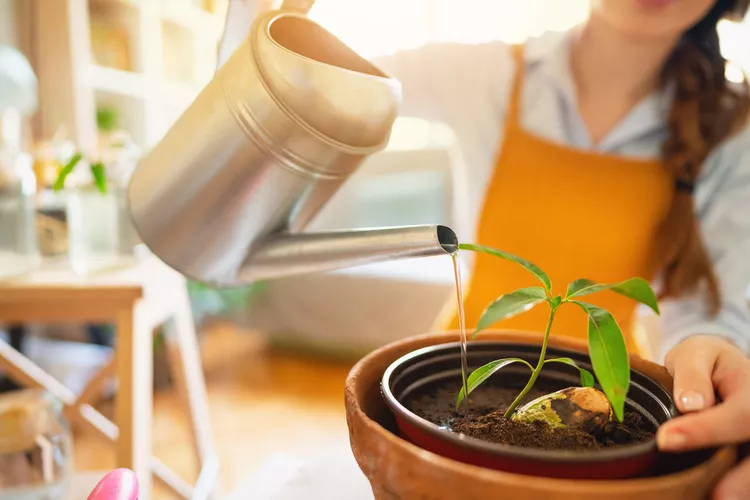
Tomatoes are most productive when they receive about 1 inch of water a week. Water plants deeply once a week if nature does not supply moisture. If summer vacation calls you away, have a friend water your tomato plants or set up an automatic watering system with a timer. During tomato season, plan to harvest ripe fruit daily. Ripe fruit left on the vine rots quickly and attracts pests that can end production in short order.