Can You Plant Garlic in the Spring? With These Must-Know Tips, You Can

32.6K
1.3K
312
2025-11-15
Can You Plant Garlic in the Spring? With These Must-Know Tips, You Can

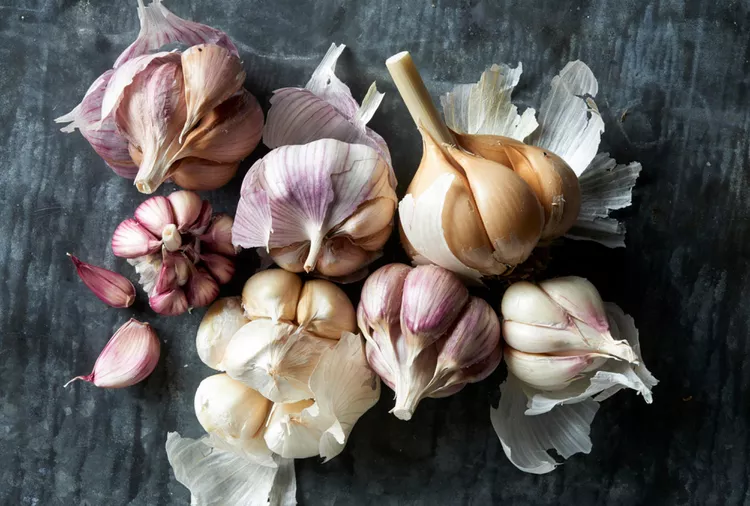
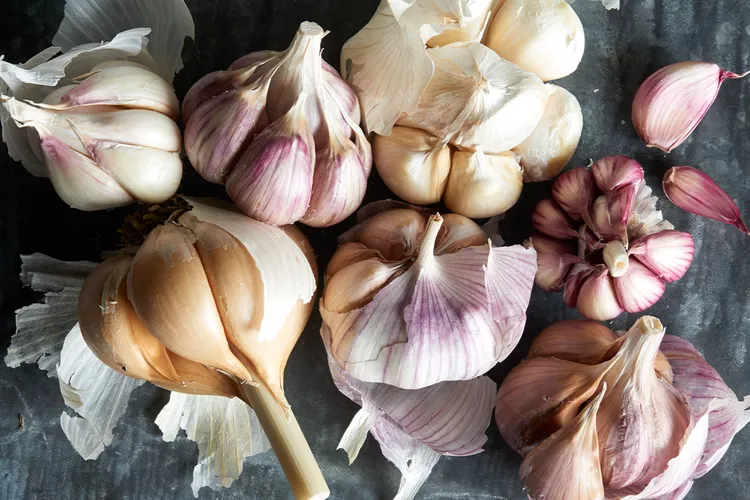
Can you plant garlic in the spring? The answer is yes! Although the ideal time for planting garlic is in the fall, you can get those cloves in the ground early in spring and still get a harvest this year. However, there are a few tips and techniques that can increase your success rate. Use this guide to select the best types of garlic for spring planting, cold treat your cloves for proper growth, and care for your garlic plants.

Cold Treating Spring Garlic

Some plants, such as garlic, apple trees, tulips, and daffodils, need a chilling period to grow and develop properly. Garlic is typically planted in fall to take advantage of natural cold conditions for vernalization and get a jump start on spring growth. Vernalization just means a period of cold exposure the plant needs to trigger the production of flowers, bulbs, and other specialized growth. Garlic planted in the fall chills naturally and begins to root, setting up a rapid flush of growth in spring.

Without the vernalization period, garlic cloves will grow but won't separate into bulbs. You may end up with one giant clove or only some tasty green foliage above the ground. If you want to plant garlic in spring and harvest bulbs, you must first vernalize the garlic cloves in one of two ways:

  • Chill in the refrigerator. Refrigerate hardneck garlic for four to eight weeks—the longer, the better—for spring planting. Softneck varieties need less chilling but benefit from three to four weeks of cold. Check often for mold or sprouting. If they start to sprout, put them in the ground anyway. 
  • Plant early. Take advantage of a late winter thaw or an early melt to get those cloves in the ground. Garlic can take the cold, so don’t worry that your neighbors will think you’re strange for digging in the garden next to a snow bank. Mulch over the top and let them chill out.

Sourcing Garlic for Spring Planting

Most vendors ship garlic for fall planting, so you may have to look harder to find garlic for spring. While farmers’ market sources won’t be available, some online vendors may still have garlic or hold some back specifically for spring planting. A few nurseries take orders for softneck garlic in time for spring planting, so call and ask. You may be able to buy cloves that have been vernalized by the vendor, saving you the effort. If you need to order garlic online, do it as early as possible to give you time to plant it or vernalize it in the fridge.

Avoid planting garlic purchased from the grocery store. This garlic has often been treated to inhibit sprouting. Store-bought garlic is also not certified to be disease-free and could introduce problems into your soil.

Plant Garlic in Spring in Containers

For those who live in a cold climate, your ground may remain frozen and snow-covered well into spring, which makes it difficult to get your garlic planted. Rather than waiting until the weather warms up enough, another option is to plant garlic in deep containers and set them outside to vernalize. 

Choose containers that hold at least 8 inches of potting mix, are wide enough to plant several cloves, and have drainage holes. You may need to protect these pots from squirrels that may dig in them.

If you need more space, set up a temporary raised bed on top of the frozen soil. Frame it with whatever you have lying around, fill it with raised bed soil and compost, and plant directly in it. After the garlic is harvested in late summer, you can dismantle it and use the soil for another purpose. 

Garlic Care Tips

  • Don’t forget to water. Garlic needs water, and the 1-inch–per-week rule works well. Mulch heavily to keep down weeds and help with soil moisture. Stick your finger into the soil an inch. If it feels dry, it’s time to water. Garlic in containers needs to be watered more frequently.
  • Provide nutrients. Garlic grows best in rich, loamy soil. Amend the garlic bed or container with compost or aged manure before planting. After your garlic has sprouted, side-dress with organic fertilizer according to the package directions. Stop fertilizing after you remove the scapes.
  • Trim scapes. Hardneck varieties grow scapes that curl over like a cartoon pig’s tail. Eventually, they flower and try to make seeds, which diverts energy from developing cloves. Trim off the scapes when they start to curl. If you wait longer, they become tough and woody. Fresh scapes are garlicky and delicious and can be worked into any recipe that uses garlic.
  • Keep the weeds down. Garlic doesn’t compete well with weeds; a weedy garlic patch will yield smaller cloves. Keep a thick layer of mulch on the bed and pull the few weeds that make it through. 
Frequently Asked Questions

  • When is spring-planted garlic ready for harvest?

    Like fall-planted garlic, spring garlic is ready for harvest when some leaves have started to brown, and about five green leaves are left on the stalk. You can also peek at the bulb by brushing away some soil with your fingers and checking the size. Generally, fall garlic is ready for harvest in midsummer, and spring-planted garlic won’t be ready until late summer or early autumn.

  • Do I have to trim off the scapes?

    Most gardeners and garlic vendors recommend trimming off the scapes produced by hardneck varieties when they begin to curl. The scapes can be made into delicious pesto, eaten fresh, or used to flavor oils and soups. Leaving them on won’t hurt the plant, but can result in smaller cloves.

Related Article

How to Propagate Pothos Successfully in Soil or Water
40.9K
408
61

How to Propagate Pothos Successfully in Soil or Water

Learn how to propagate pothos plants successfully with these simple step-by-step instructions.
24 Easy-Care Houseplants With Low Watering Needs
16.7K
334
93

24 Easy-Care Houseplants With Low Watering Needs

The low-maintenance, easy-care houseplants in this collection add lushness and color to any home without needing much more than occasional watering.
How to Plant and Grow Philodendron
38.6K
772
270

How to Plant and Grow Philodendron

Find growing information on philodendron, the perfect houseplant for new plant owners.
How to Get Rid of Spider Mites on Indoor Plants
46.1K
4.1K
1.9K

How to Get Rid of Spider Mites on Indoor Plants

Spider mites are a common houseplant pest. Learn the early signs of spiders mites on your plants and how to get rid of them.
16 Small Backyard Garden Ideas for Maximizing Your Landscape
36.4K
3.3K
820

16 Small Backyard Garden Ideas for Maximizing Your Landscape

Even the tiniest landscapes can be magical outdoor spaces with these small backyard garden ideas that maximize your yard.
Here's How to Dry and Preserve Flowers to Enjoy Their Beauty Year-Round
37.9K
3K
1.2K

Here's How to Dry and Preserve Flowers to Enjoy Their Beauty Year-Round

Learn how to dry flowers with air drying, silica gel, or even the microwave. These three methods to preserve flowers are great for wreaths, bouquets, and decorating projects.
How to Clean a Hummingbird Feeder in 5 Easy Steps
9.2K
184
51

How to Clean a Hummingbird Feeder in 5 Easy Steps

Keep your garden a safe and welcoming space for hummingbirds by following our five-step guide for how to clean hummingbird feeders.
How to Plant and Grow Angelonia
7K
140
26

How to Plant and Grow Angelonia

Angelonia (or summer snapdragon) is a spectacular addition for continuous color in any garden.
How to Plant and Grow Agapanthus
18.4K
1.8K
330

How to Plant and Grow Agapanthus

Agapanthus is a low-maintenance perennial and landscape staple that produces clusters of trumpet-shaped flowers.
How to Plant and Grow Shrub Roses
40.7K
3.7K
696

How to Plant and Grow Shrub Roses

Learn to grow shrub roses, which combine all of the best characteristics of roses into a beautiful, low-maintenance plant.
11 Best Deer-Resistant Shrubs for Avoiding Browsing Damage
38.2K
1.5K
504

11 Best Deer-Resistant Shrubs for Avoiding Browsing Damage

No plant is completely safe, but these deer resistant shrubs tend to be low on the menu for hoofed garden visitors.
What's Causing Your Gardenia's Yellow Leaves? We Have Answers
16.5K
1.5K
251

What's Causing Your Gardenia's Yellow Leaves? We Have Answers

What causes your gardenia's yellow leaves? Here's the reason and how to fix it. Gardenias are high-maintenance, but this is how to make them happy.
How to Plant and Grow Jasmine
42.3K
3.8K
418

How to Plant and Grow Jasmine

Jasmine is a perennial shrub or vine beloved for its fragrant flowers. Learn how to grow it in your garden or as a houseplant.
Do Deer Eat Tomato Plants? 5 Ways to Protect Your Harvest
42.1K
1.7K
775

Do Deer Eat Tomato Plants? 5 Ways to Protect Your Harvest

Deer do eat tomato plants from time to time. Here's how to recognize deer damage on tomatoes and how to prevent the creatures from ruining your crop.
11 Simple Tips for Growing Carrots in Containers Successfully
31.7K
317
44

11 Simple Tips for Growing Carrots in Containers Successfully

Growing carrots in containers saves space and protects carrot roots from pests. Here's how to plant and grow carrots in pots.
Which Types of Garlic Are Best to Grow in Your Garden?
32.5K
3.2K
1K

Which Types of Garlic Are Best to Grow in Your Garden?

Hardneck or softneck? Here’s what to know about different types of garlic and how to grow them.
How to Plant a Mango Seed and Successfully Grow It in 5 Steps
40.3K
805
152

How to Plant a Mango Seed and Successfully Grow It in 5 Steps

Learn how to plant a mango seed and grow it with only a few basic supplies and a little time. Use this guide to grow a mango seed successfully.
What Is a Fairy Ring? And Will It Harm Your Lawn?
23.4K
2.3K
1.1K

What Is a Fairy Ring? And Will It Harm Your Lawn?

Find out what causes those mysterious circles of mushrooms on your lawn and how to prevent fairy rings.
How to Grow Plants from Cuttings to Fill More Pots for Free
32.7K
981
245

How to Grow Plants from Cuttings to Fill More Pots for Free

Use this simple propagation technique to grow new plants with stem cuttings.
Easy Lawn Repair for Patchy Grass Using Seed or Sod
10.2K
812
292

Easy Lawn Repair for Patchy Grass Using Seed or Sod

With a bit of grass seed or sod, lawn repair is easy, and you’ll soon have a lush green carpet again.