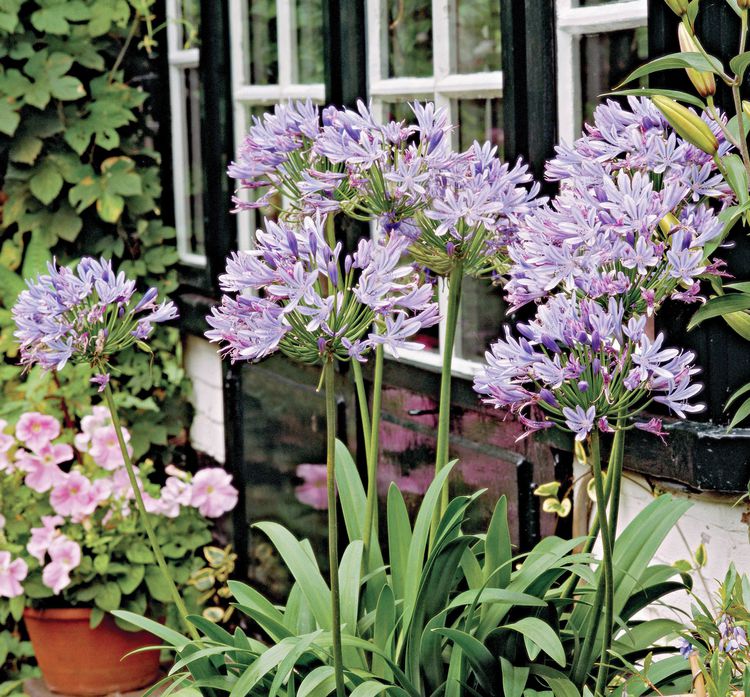
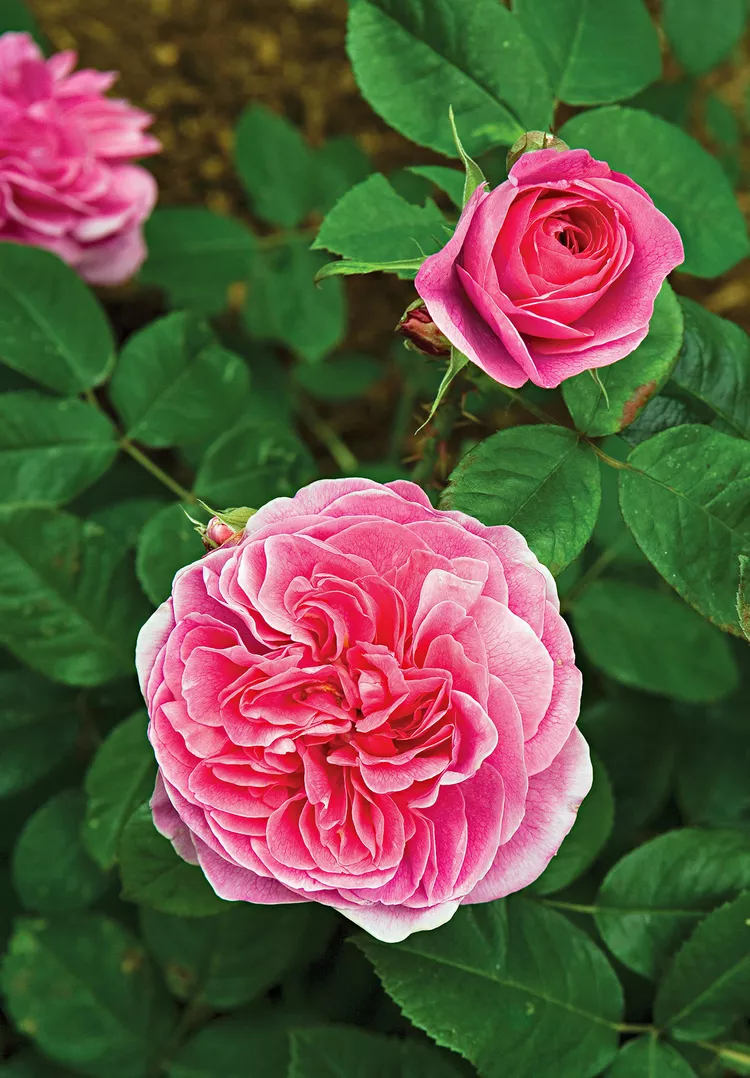
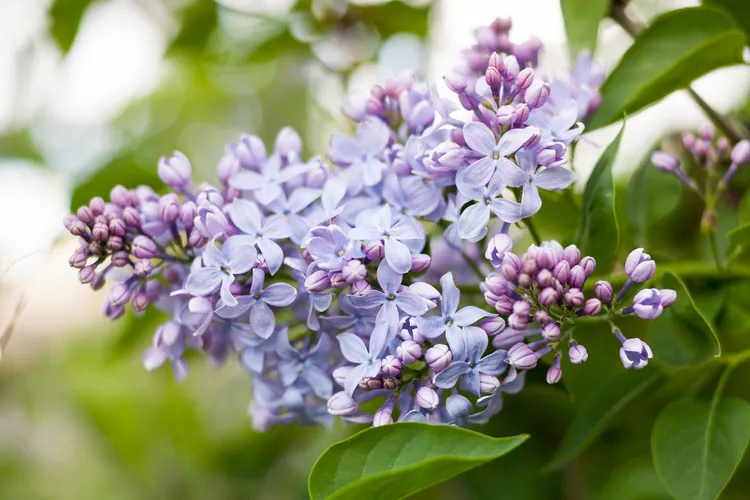
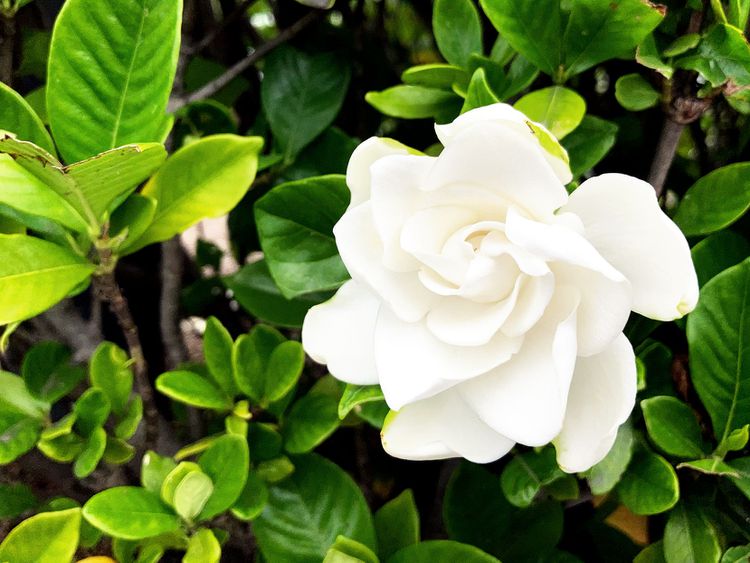
Raised garden beds drain more efficiently than in-ground gardens, which reduces the chances of overwatering. However, watering raised garden beds is a little different because they tend to dry out quicker in the summer heat. Keeping your raised garden beds properly watered can make all the difference between wilted, underwatered plants and a lush bed of flowers, herbs, and vegetables. Follow this guide to keep your raised garden beds well hydrated all season long.
When to Water Raised Garden Beds
Whether you grow plants in raised beds, pots, or in-ground gardens, the best time to water is usually in the morning. At this time of day, plants are more efficient at absorbing moisture, and it ensures plant leaves will be dry before nightfall, which reduces disease issues. Morning watering also gives plants the moisture they need to survive hot summer days.
In a pinch, plants can be watered in the evening, but water doesn’t evaporate as quickly overnight, which increases the chance of powdery mildew and other leaf issues.
How Often to Water Raised Garden Beds
How often raised beds need to be watered depends on the types of plants you grow and other factors such as what you fill your raised beds with, but most gardeners water raised beds every day or two. Watering needs vary throughout the year, and plants need more water during hot weather and less water on chilly spring and autumn days.
It’s good practice to feel the soil before watering, and water only when the top couple of inches of soil feels dry.
How Much to Water Raised Garden Beds
Most vegetables, herbs, and flowers need about 1 to 2 inches of water per week, either from the rain, a garden hose, or another irrigation system. Installing a rain gauge can help you adjust your watering schedule as needed to account for recent rainfall, or you can use a soil moisture meter to determine when it’s time to water.
If you’re hand watering a small, raised bed, you may need to water plants for just a few minutes. However, if you’re using drip irrigation, drip lines emit a small amount of water over an extended period, and they often need to run daily for 15 to 45 minutes to provide plants with their weekly 1 to 2 inches of water.
Add a layer of natural mulch over the soil to slow evaporation rates and how much you'll need to water your raised garden beds.
5 Ways to Water Raised Garden Beds
When it comes to watering raised beds, gardeners have several options. They can water plants by hand, with a sprinkler, or with a customized irrigation system. Each watering method has pros and cons, and some techniques work better than others. Here are the most popular ways to water raised beds to help you find the best method for you and your space:
1. Hand Watering
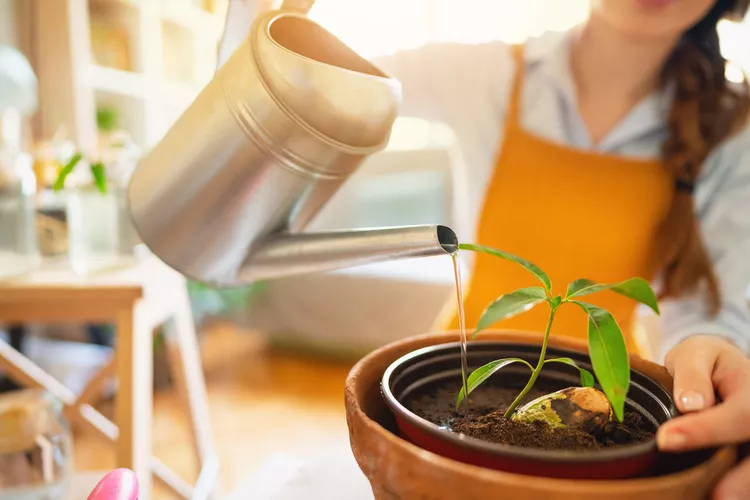
Hand watering can be done with a garden hose or watering can. This method is labor intensive, but it gives gardeners the time to inspect their plants closely, making it easier to monitor for pests and diseases at the same time.
Hand watering works best in small gardens; it can be tedious to hand water massive vegetable beds. For best results, use a gentle shower attachment on a garden hose to avoid washing away garden soil and damaging plant leaves. Push aside large leaves as you go and direct the flow of water toward the plant’s roots to keep leaves dry and reduce mildew issues.
2. Drip Irrigation
Drip irrigation is hands-down the most efficient way to irrigate raised beds, but systems can be elaborate and take time to install. The good news is that drip irrigation lines can be fully automated with a timer, so you can water your raised beds consistently and at the same time every day without lifting a finger. Drip lines are the most common type of drip irrigation, but gardeners can also try drip tape or watering grids, which are easier to install than standard drip lines and drip tape.
Drip irrigation lines consist of bendable tubing connected with Y-shaped and L-shaped connectors and attached to outdoor spigots with a pressure adaptor and timer. Tubing can be directed straight into raised beds and positioned around plant roots and rows of seedlings for precision watering that provides consistent moisture while keeping leaves dry. These systems are easy to maintain and repair, fully customizable, and long-lasting, providing worry-free watering for years.
3. Soaker Hoses
Compared to drip irrigation, soaker hoses are less precise and don’t last as long. Soaker hoses can also be tricky to maintain because they often become clogged with dirt. However, if you like the low-maintenance of drip irrigation, soaker hoses provide many of the same benefits, and they’re easier to install.
Be sure to read the packaging on soaker hoses, as some hoses contain materials that are not suitable for food gardens.
Like drip irrigation, soaker hoses lay across the soil and provide a stream of water directly to plant roots, which keeps the leaves dry and limits water waste.
4. Sprinklers
Sprinklers come in different shapes and sizes, but many systems are simple to install. Sprinklers can usually be automated with the addition of a timer, and they can be moved around as needed to direct water toward the plants that need it most.
However, compared to drip irrigation and hand watering, sprinklers are less precise. They often overspray water beyond garden beds, which promotes weeds and wastes water. Sprinklers also water from the top down, resulting in wet plant leaves that are more prone to leaf diseases.
5. Olla Pots
Self-watering olla pots, a traditional way to water gardens, aren’t as commonly used today as other watering methods, but they can be an asset in raised beds. Olla pots can be store-bought or homemade, but they’re typically composed of porous terra-cotta that slowly seeps water out to plant roots when the pots are buried in garden beds. This provides a consistent supply of water to plants and reduces diseases by keeping the leaves dry.
How often olla pots need to be refilled varies depending on the weather and the types of plants you grow. However, these pots are usually refilled about once every week. Although olla pots may not work well in large gardens, they are well-suited for small raised beds and gardeners who travel often.
Must-Know Tips for Watering Raised Garden Beds
Try some of these raised bed watering tips to keep your plants healthy.
- If you often forget to water or travel regularly, try automated watering systems, such as drip lines, sprinklers, and self-watering olla pots.
- Plants with curled, brown, or crispy leaves, wilted stems, stunted growth, and dry, cracked soil need more water.
- Plants with dark spots, yellowing leaves, wilted stems, mildew issues, root rot, and soggy soil need less water.
- Plants with shallow root systems, such as young seedlings and transplants, need more water than established plants with deep roots.
- Consistent, deep watering is best for plants. Deep watering encourages roots to grow downward, while inconsistent watering can cause fruit and root vegetables to crack and lead to issues like blossom end rot in tomatoes.